

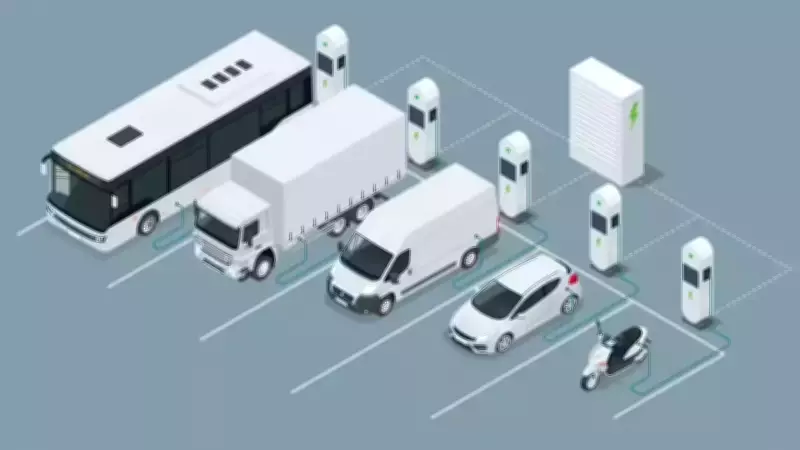
Delhi Government Unveils EV Policy 2.0 with Rs 200 Crore Allocation
The Delhi government has launched its ambitious Electric Vehicle Policy 2.0, marking a strategic shift towards accelerating the transition to cleaner transportation in the national capital. Backed by a substantial allocation of Rs 200 crore, this new policy moves beyond simple purchase subsidies to directly tackle the city's ageing and polluting vehicle fleet.
Core Incentive: Rs 1 Lakh for Private Electric Cars with Conditions
At the heart of the policy is a significant incentive of up to Rs 1 lakh for private electric cars. However, this benefit comes with stringent conditions designed to ensure it drives real environmental impact. The incentive is exclusively available for electric vehicles priced below Rs 15 lakh and will be limited to the first 1 lakh applicants.
Most crucially, buyers must provide a "Certificate of Deposit" as proof that they have scrapped a Delhi-registered BS-IV or older petrol or diesel vehicle. Without this certificate, the top incentive of Rs 1 lakh cannot be claimed, emphasizing the policy's focus on replacing old polluters with new electric alternatives.

Incentives for Two-Wheelers, Three-Wheelers, and Retrofits
The policy extends its benefits across multiple vehicle segments to create a comprehensive clean mobility framework:
- Electric Two-Wheelers: Will receive a flat incentive of Rs 10,000, replacing the previous battery-linked subsidy model for simpler and more direct support.
- Electric Three-Wheelers (L5M Category): Are eligible for an incentive of Rs 25,000 to promote cleaner last-mile connectivity.
- Vehicle Conversion: In a notable addition, the government is encouraging the conversion of existing internal combustion engine vehicles. A grant of Rs 50,000 is offered for those who retrofit their petrol or diesel vehicles into electric vehicles using certified kits, providing an alternative to complete vehicle replacement.
Tax Benefits and Infrastructure Development
Tax incentives continue to play a key role in making electric vehicles financially attractive. Electric vehicles priced up to Rs 30 lakh will enjoy a full waiver on road tax and registration fees until March 31, 2030. However, this exemption will no longer apply to higher-priced EVs, focusing support on more affordable models.
The broader push is supported by a Rs 8,374 crore transport budget aimed at building a holistic cleaner mobility ecosystem. Alongside direct incentives, Delhi plans to significantly scale up charging infrastructure and expand its electric bus fleet.
The electric bus fleet is expected to grow from the current 4,400 units to 5,800 by the end of the financial year 2026-27, with the total bus fleet targeted to reach 7,500 units, further reducing emissions from public transport.
This comprehensive approach positions Delhi's EV Policy 2.0 as a model for urban clean transportation initiatives, directly linking financial benefits to the removal of polluting vehicles from the roads.






