

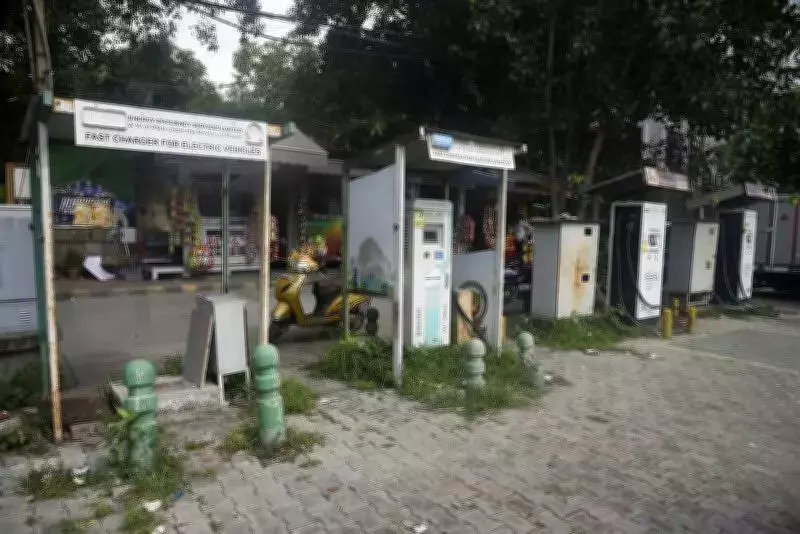
Delhi Government Unveils Comprehensive Electric Vehicle Incentive Scheme
The Delhi government is poised to implement a groundbreaking policy designed to accelerate the transition to electric vehicles across the capital. This initiative offers substantial financial incentives to individuals who voluntarily scrap their older, more polluting vehicles and make the switch to cleaner electric alternatives.
Financial Incentives Based on Vehicle Category
Under the newly drafted scheme, residents who scrap their Delhi-registered BS-IV or older vehicles at authorized facilities will qualify for monetary benefits, provided they purchase a new electric vehicle within six months of receiving their certificate of deposit. The incentive structure is tiered according to the type of electric vehicle purchased.
- Electric Two-Wheelers: Buyers will receive Rs 10,000 upon scrapping an eligible older vehicle.
- Electric Three-Wheelers (L5M Category): Eligible individuals can avail themselves of Rs 25,000.
- Private Electric Cars: The most significant benefit of Rs 1 lakh is offered, though this is restricted to vehicles with an ex-factory price up to Rs 15 lakh and limited to the first one lakh eligible applicants, indicating a strategic focus on early adoption.
All incentives will be disbursed directly to beneficiaries through the Direct Benefit Transfer (DBT) system, ensuring efficiency and transparency. Applicants must submit their claims via a process that will be formally notified by the transport department.

Substantial Tax and Registration Fee Exemptions
In addition to the scrapping incentives, the policy provides considerable relief through exemptions on road tax and registration fees. All electric vehicles registered in Delhi could be eligible for a 100% exemption on these charges until March 31, 2030. This measure is expected to significantly reduce the upfront cost of EV ownership, making electric vehicles more financially attractive to a broader range of consumers.
The policy adopts a graded approach for electric cars based on pricing. Vehicles with an ex-factory price of up to Rs 30 lakh will qualify for full exemption from road tax and registration fees. However, cars priced above Rs 30 lakh will not be eligible for these exemptions, reflecting the government's deliberate focus on encouraging mass-market adoption rather than subsidizing luxury segments.
Addressing Air Pollution and Promoting Sustainable Mobility
This comprehensive initiative aligns with Delhi's ongoing efforts to combat severe air pollution, a persistent environmental challenge. By incentivizing the scrapping of older, high-emission vehicles and promoting electric mobility, the government aims to foster a cleaner and more sustainable urban transport ecosystem. Officials emphasize that the incentives will be granted only to registered owners of scrapped vehicles, ensuring transparency and preventing potential misuse of the scheme.
Current EV Adoption Trends in Delhi
An analysis of vehicle registration data in Delhi reveals a mixed uptake for electric vehicles. While EVs are gaining traction in categories such as three-wheelers, goods vehicles, e-buses, and e-rickshaws, their penetration remains insufficient to significantly impact the dominant petrol and diesel segments, which are major contributors to pollution.
According to government Vahan data, from January to September 2024, 2.7 lakh petrol two-wheelers and 26,613 electric two-wheelers were registered. During the same period the following year, registrations included 3.2 lakh petrol two-wheelers (including those using ethanol-blended petrol) and 27,028 electric two-wheelers, highlighting the need for accelerated adoption efforts.
The policy is anticipated to be officially announced during the upcoming Delhi budget session next week, marking a significant step forward in the capital's green mobility agenda.






