Delhi Government Inaugurates 25 Atal Canteens to Combat Hunger
In a significant move to address food insecurity, the Delhi government inaugurated 25 Atal Canteens across the national capital on Thursday. This initiative is part of a broader scheme aimed at providing affordable and nutritious meals to urban poor, laborers, and other underprivileged residents. The launch marks a crucial step in ensuring that no one in Delhi goes to bed hungry, as emphasized by officials during the ceremony.
Inauguration Ceremony and Key Attendees
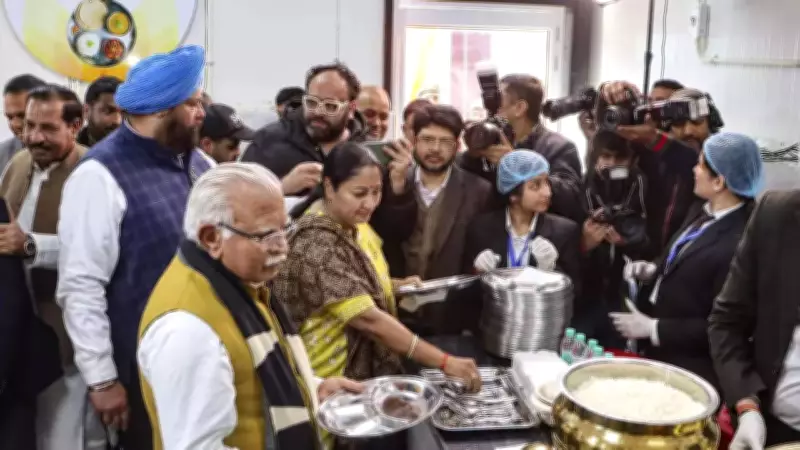
The inauguration event was held at a canteen in Krishna Nagar, where Delhi Chief Minister Gupta presided over the proceedings. He highlighted that the Atal Canteen Scheme is driven by the vision of eliminating hunger among Delhi's residents. Union Minister and local MP Harsh Malhotra, Delhi Urban Development Minister Ashish Sood, and BJP MLA Anil Goyal were also present, underscoring the collaborative effort behind this project.
Chief Minister Gupta commended the officials of the Delhi Urban Shelter Improvement Board (DUSIB) for their swift execution of the project, noting that it aligns with the ideals of Prime Minister Narendra Modi and former Prime Minister Atal Bihari Vajpayee. This praise reflects the government's commitment to efficient public service delivery.

Operational Details and Impact
Each Atal Canteen is designed to serve approximately 1,000 meals per day, which collectively will benefit over 1 lakh people daily across the city. This massive scale ensures widespread access to nutritious food for those in need. The meals are priced affordably to make them accessible to low-income groups, thereby supporting the health and well-being of vulnerable populations.
The government has allocated Rs 104 crore for the operation and management of this scheme, demonstrating a substantial financial commitment. The scheme was officially launched on December 25, 2025, coinciding with the birth anniversary of Atal Bihari Vajpayee, adding a symbolic touch to the initiative's dedication to public welfare.
Broader Implications and Future Prospects
This initiative not only addresses immediate hunger but also promotes social equity by targeting urban poor and laborers who often struggle with food affordability. By integrating nutrition into public policy, the Delhi government aims to improve overall community health and reduce malnutrition rates.
Looking ahead, the success of these canteens could serve as a model for other cities in India, potentially inspiring similar schemes nationwide. The focus on efficient management and alignment with national ideals suggests a long-term strategy for sustainable food security solutions.