

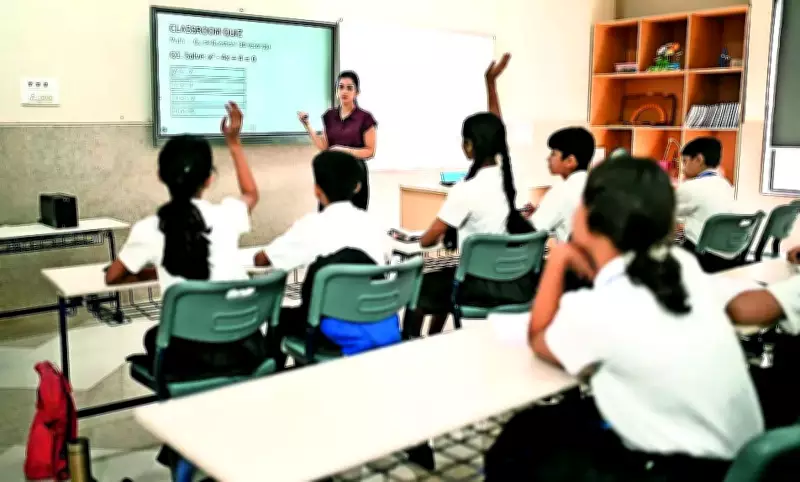
Delhi Ladli Scheme Witnesses Steep 67% Decline in Enrolment Since Inception
Since its launch in 2008, the Delhi Ladli Scheme has experienced a dramatic reduction in participation, with enrolment numbers dropping by a staggering 67.3%. Initial beneficiary figures stood at 1,25,337 in 2008, but by February 2025-26, this had plummeted to merely 40,873. A parallel downward trend is evident in stage-wise claims or renewals, which have similarly decreased over the years.
Scheme Objectives and Eligibility Criteria
The Ladli Scheme was established to empower the girl child by encouraging education, enhancing the sex ratio, and combating issues like female foeticide. To qualify, a girl must be born in Delhi, with her family residing in the city for a minimum of three years and having an annual income under Rs 1 lakh. Enrolment is permitted at multiple stages: birth, school admissions in classes I, VI, and IX, after Class X, and at Class XII.
Financial Structure and Management
Financial support is delivered through investments made in the girl's name, with funds released at critical milestones and disbursed at maturity along with accrued returns. The State Bank of India Life Insurance Company Ltd oversees the funds under the 'SBI Life Dhanrashi' policy, based on a memorandum of understanding signed with the Delhi government in 2008. Upon maturity, the amount is directly transferred to the beneficiary's bank account.

Historical Performance and Recent Trends
Yearly data reveals that the scheme performed most robustly in its early years, with enrolment climbing from approximately 1.3 lakh in 2008-09 to a peak of nearly 1.4 lakh in 2009-10. However, this momentum proved fleeting, as numbers fell to just over 1 lakh by 2011-12 and further to about 89,000 by 2013-14, marking a decline of nearly 36% from the peak.
The downturn intensified subsequently, with enrolments dropping to around 60,800 in 2018-19 and 46,660 in 2019-20, representing an overall reduction of nearly 66% from the 2009-10 levels. A slight recovery emerged post-2020, with enrolments rising to over 61,500 in 2020-21 and stabilizing in the low 60,000s over the following two years.
An upward trend persisted in 2023-24, when enrolments exceeded 72,000, reflecting a year-on-year increase of about 12%. Despite this, the recovery has been inconsistent. Enrolment has not surpassed one lakh since 2010-11, and the overall decline from its peak remains at 67.3%. For 2025-26, enrolment is recorded at around 40,800 until February, indicating incomplete data for the current fiscal year.
Implementation Challenges and NGO Concerns
Ekramul Haque from the NGO Mission Taleem highlighted persistent implementation issues. "The process is complicated. Applicants are often turned away from online submission and asked to visit offices. There's little accountability in schools, no fixed timelines, and awareness is very low," he stated.
He added that weak government outreach forces NGOs to fill the gap. "People keep receipts but don't know what happens next or when they'll get benefits. There's no clarity or support, especially for private school students. The scheme should be open year-round, with online submissions encouraged."
Government Response and New Initiatives
Officials from the department of women and child development explained that 2025-26 is a transition period, as the scheme is being revamped and enhanced with improved incentives to promote girls' higher education. "It is now being replaced with the Lakhpati Bitiya Yojana, which will be effective from the next financial year," an official confirmed.
At the school level, initiatives are underway to boost awareness. Joginder Kumar, principal of Govt Co-Ed Sarvodaya Vidyalaya in Rohini Sector 21, reported that an awareness campaign was conducted to encourage enrolment and renewals.
"The programme covered eligibility, documentation and application procedures through assemblies and class sessions. The school management committee engaged parents and supported documentation while teachers guided students individually," he said, noting that this effort helped increase participation in the scheme.
Broader Social Welfare Programme Performance
Beyond the Ladli Scheme, other social welfare programmes in 2025-26 displayed mixed results:

- Assistance for children of incarcerated parents saw minimal uptake, with Rs 9.4 lakh allocated for 55 beneficiaries.
- Marriage aid disbursed Rs 8.6 crore to 2,876 beneficiaries.
- Pension schemes dominated expenditure: Rs 1,053 crore for 4.1 lakh women and Rs 1,230 crore for 4.4 lakh senior citizens.
- Support for persons with special needs amounted to Rs 385.6 crore for 1.4 lakh individuals.





