

Delhi's Draft EV Policy Balances Incentives with Equity for Sustainable Mobility
Delhi has unveiled a draft electric vehicle (EV) policy that strategically balances financial incentives with a strong focus on equity, aiming to accelerate the transition to sustainable urban mobility. This comprehensive framework is designed to make EVs more accessible and affordable for all residents, while simultaneously addressing critical infrastructure gaps and environmental concerns in the capital city.
Key Objectives and Targets of the Draft Policy
The policy sets ambitious targets, including achieving a 25% share of electric vehicles in new vehicle registrations by 2025. To reach this goal, it proposes a mix of subsidies, tax benefits, and regulatory support. For instance, incentives are planned for the purchase of electric two-wheelers, three-wheelers, and four-wheelers, with particular emphasis on making EVs viable for low-income groups and public transport operators.
Equity is a central pillar, with measures to ensure that benefits extend beyond affluent buyers to include marginalized communities. This includes provisions for subsidized charging stations in underserved areas and support for electric rickshaws and buses, which are crucial for last-mile connectivity and reducing air pollution.

Infrastructure Development and Implementation Strategy
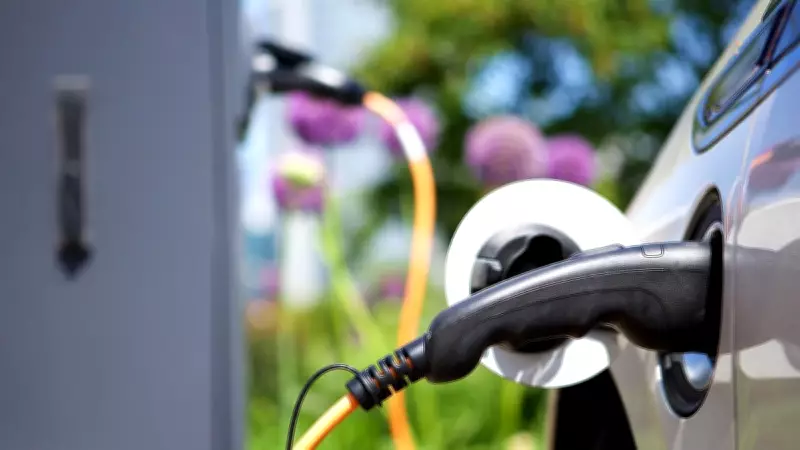
A major component of the policy is the expansion of charging infrastructure. Plans include installing public charging stations at key locations such as metro stations, bus depots, and residential complexes. The draft also encourages private sector participation through incentives for setting up charging facilities, aiming to create a robust network that alleviates range anxiety among potential EV adopters.
Implementation will involve coordination between various government agencies, including the transport and energy departments, to streamline processes like registration and permit issuance for EVs. The policy underscores the need for public awareness campaigns to educate citizens about the benefits of electric mobility and available incentives.
Challenges and Future Outlook
Despite its progressive approach, the policy faces challenges such as high upfront costs of EVs, limited battery technology advancements, and the need for reliable electricity supply. However, by integrating equity with incentives, Delhi's draft EV policy could serve as a model for other Indian cities seeking to promote sustainable transportation. If successfully implemented, it has the potential to significantly reduce vehicular emissions, improve air quality, and foster a greener urban ecosystem in the long term.






