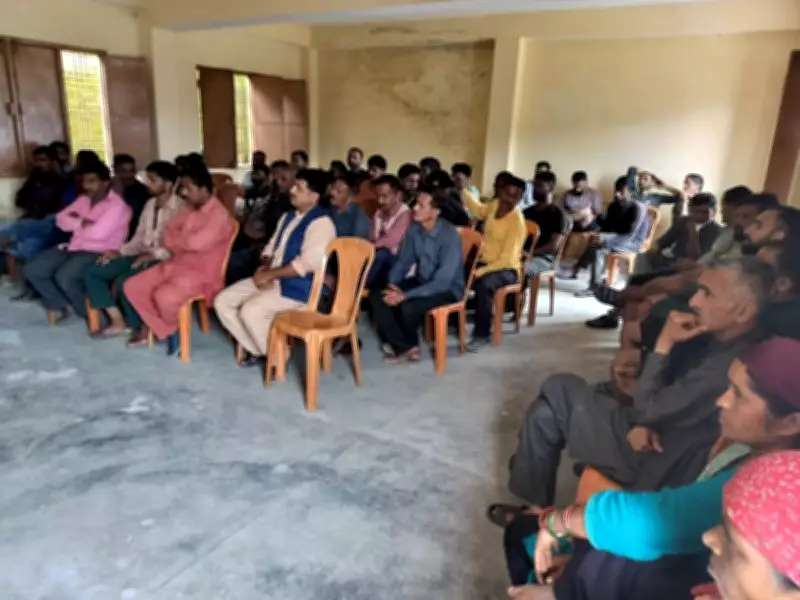
The Dharwa gram panchayat in Ronhat sub-tehsil of Sirmaur district, Himachal Pradesh, has unanimously resolved to ban dowry, liquor, and lavish wedding celebrations. The resolution, passed during a gram sabha meeting on July 6, 2026, with around 250 villagers present, came into immediate effect and aligns with a broader grassroots movement across the Trans-Giri region to simplify marriages and alleviate financial stress on families.
Key Provisions of the Resolution
Under the new rules, serving liquor or any intoxicants at marriage functions is completely prohibited. Giving or accepting dowry is also banned. Marriage processions are capped at 100 guests and a maximum of 15 vehicles. Additionally, serving fast food at wedding events is not allowed, and families are urged to avoid extravagant jewellery and costly rituals that place unnecessary financial burden on households.
Penalty for Violations
To ensure compliance, the gram sabha has prescribed a community penalty of Rs 50,000 for anyone violating the resolution. Defaulters must also organise a traditional community feast. Social participation in marriages held in violation of the rules will be discouraged.

Community Support and Objective
Dharwa gram panchayat pradhan Reena Devi said the resolution resulted from extensive discussions and unanimous public support. “Our objective is not to impose restrictions but to free families from unnecessary financial pressure. Marriages should strengthen relationships, not become a reason for debt. We hope more villages will adopt similar reforms for the welfare of society,” she added.
Growing Movement in Trans-Giri
Dharwa joins a growing list of villages in the Trans-Giri region that have embraced social reforms through community consensus. Demana village earlier prohibited dowry and liquor at marriages, setting an example. Pashmi and Ghasan villages later abolished several expensive customs, including the centuries-old Nevda ritual, to reduce financial pressure on families. Tauru village also introduced restrictions on liquor and unnecessary expenditure.
Local residents Chamel Singh, Vijay Thakur, Kanwar Singh, Layak Ram, Pratap Singh, and Surender Singh said, “Simple marriages will benefit everyone, especially economically weaker families. Limiting unnecessary expenses will preserve our traditions while ensuring that no family feels compelled to spend beyond its means.”
Challenges and Outlook
While the initiative has been widely welcomed, its long-term success remains to be seen. Similar resolutions adopted in parts of the Trans-Giri region in recent years have had only limited impact. Residents, however, believe sustained community support and strict implementation will be key to ensuring lasting social change. The growing number of villages voluntarily adopting such resolutions reflects a gradual but significant shift in social priorities across the Trans-Giri region, working to curb wasteful expenditure and preserve the true spirit of marriage.