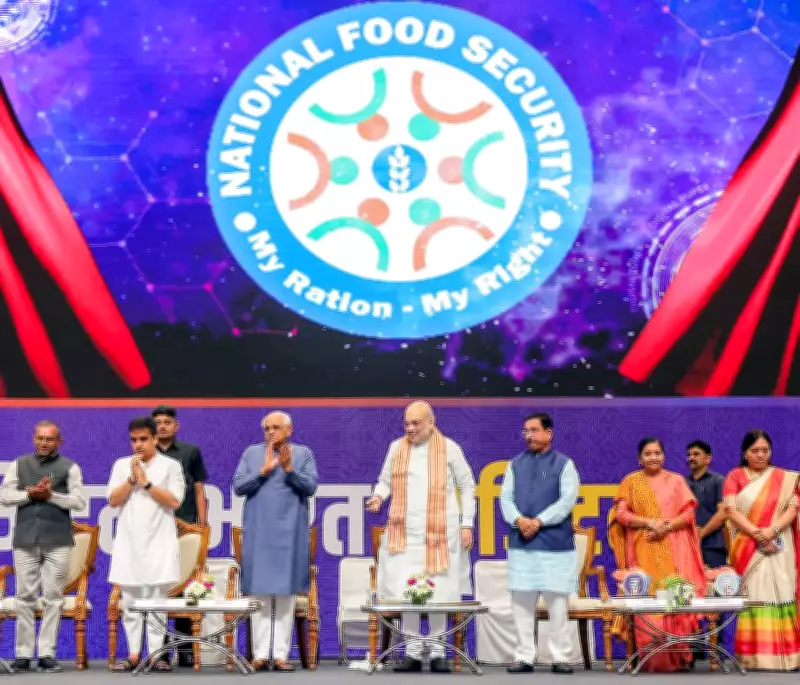
Digital Food Coupons Revolutionize Public Distribution System in Gujarat
The Central Government has taken a significant step towards modernizing India's food security infrastructure by launching RBI-enabled digital food coupons for the Public Distribution System (PDS) in Gujarat. This initiative marks a pivotal shift from traditional paper-based ration cards to a secure, technology-driven solution designed to streamline subsidy delivery and curb systemic inefficiencies.
Enhancing Efficiency and Transparency
Under this new system, beneficiaries will receive digital coupons directly linked to their bank accounts, which can be used to purchase essential food items like wheat, rice, and sugar from authorized fair price shops. The Reserve Bank of India's (RBI) involvement ensures robust security protocols and seamless financial integration, reducing the risk of fraud and diversion of subsidized goods. This move is expected to significantly minimize leakages that have long plagued the PDS, ensuring that food subsidies reach the intended recipients more effectively.
Key Features and Implementation
The digital coupons leverage advanced encryption and authentication mechanisms, making them tamper-proof and easy to verify. Beneficiaries can access their coupons through mobile applications or SMS, eliminating the need for physical documents and reducing administrative burdens. The rollout in Gujarat serves as a pilot project, with plans to potentially expand it to other states based on its success. This initiative aligns with the government's broader Digital India campaign, promoting financial inclusion and technological adoption in welfare schemes.

Impact on Food Security and Governance
By digitizing the PDS, the government aims to enhance accountability and transparency in food distribution, ultimately strengthening food security for vulnerable populations. The system also facilitates real-time monitoring of transactions, enabling better policy adjustments and resource allocation. Experts highlight that this could lead to cost savings and improved service delivery, setting a precedent for other public welfare programs across the country.