

EESL Unveils Comprehensive Energy-Smart Roadmap for Andhra Pradesh MSMEs
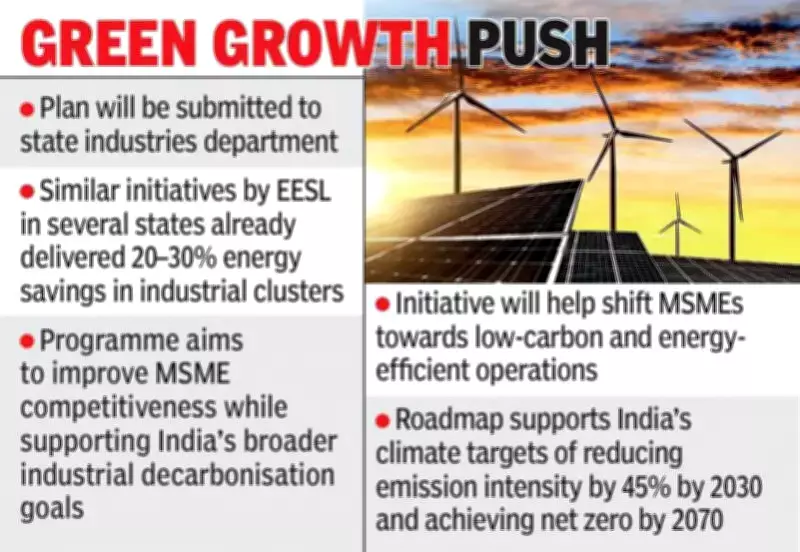
In a significant move toward industrial decarbonization, the Union government's Energy Efficiency Services Limited (EESL) has formulated a detailed roadmap to accelerate the adoption of advanced, energy-smart technologies among micro, small and medium enterprises (MSMEs) in Andhra Pradesh. This strategic blueprint, which will be formally submitted to the state's industries department, is designed to transform the MSME sector from being traditionally energy- and carbon-intensive into a powerful engine of sustainable economic growth.
Aligning with Chief Minister's Vision for Technological Advancement
The initiative directly supports Chief Minister Chandrababu Naidu's vision of leveraging cutting-edge technology to drive both economic expansion and environmental sustainability. By implementing this roadmap, Andhra Pradesh aims to position itself as a key driver in India's broader industrial decarbonization journey while simultaneously enhancing the global competitiveness of its MSME sector.
Building on Proven Success Models
EESL's approach is built upon the demonstrated success of its flagship programs across multiple states. Similar initiatives already implemented in Gujarat, Maharashtra, Punjab, Rajasthan, Uttar Pradesh, and Karnataka have delivered impressive energy savings ranging from 20% to 30% across various industrial clusters. The Andhra Pradesh roadmap incorporates lessons learned from these successful programs, including:

- The UJALA LED bulb distribution scheme
- The Street Lighting National Programme
- Distributed solar energy projects
- Advanced smart metering systems
Addressing Critical Energy Consumption Patterns
MSMEs remain absolutely central to India's economic development, contributing significantly to employment and industrial output. However, they also account for a substantial portion of industrial energy consumption nationwide. EESL, now established as a national implementation agency for energy efficiency, will enable these enterprises to transition toward low-carbon operations through a combination of domestic programs and strategic international collaborations.
Supporting National Climate Commitments
This initiative aligns perfectly with India's ambitious climate commitments, which include reducing the emissions intensity of GDP by 45% by 2030 and achieving net-zero emissions by 2070. The collaboration between EESL and the Andhra Pradesh government will be crucial in several key areas:
- Identifying priority industrial clusters for intervention
- Mobilizing stakeholders across the MSME ecosystem
- Integrating energy efficiency efforts with regional development strategies
Leadership Perspectives on the Transformative Initiative
EESL CEO Akhilesh Kumar Dixit emphasized the groundbreaking nature of this approach, stating, "This initiative marks a paradigm shift—from isolated interventions to a comprehensive MSME enablement model that addresses energy efficiency holistically across the entire industrial value chain."
Industries Secretary Dr. N. Yuvaraj welcomed the comprehensive plan, reiterating the state government's commitment to positioning Andhra Pradesh as a preferred global destination for investment and technology-led industrial development. He specifically acknowledged the crucial role played by MSME Development Corporation CEO M. Viswa in facilitating central government support through the Ministry of MSME.
The Path Forward for Sustainable Industrial Growth
As EESL prepares to implement this ambitious roadmap, the focus will remain on creating a sustainable transformation within Andhra Pradesh's MSME sector. By combining technological innovation with strategic policy implementation, this initiative promises to deliver both economic benefits through reduced operational costs and environmental benefits through decreased carbon emissions, creating a model that could potentially be replicated across other Indian states pursuing similar sustainability goals.






