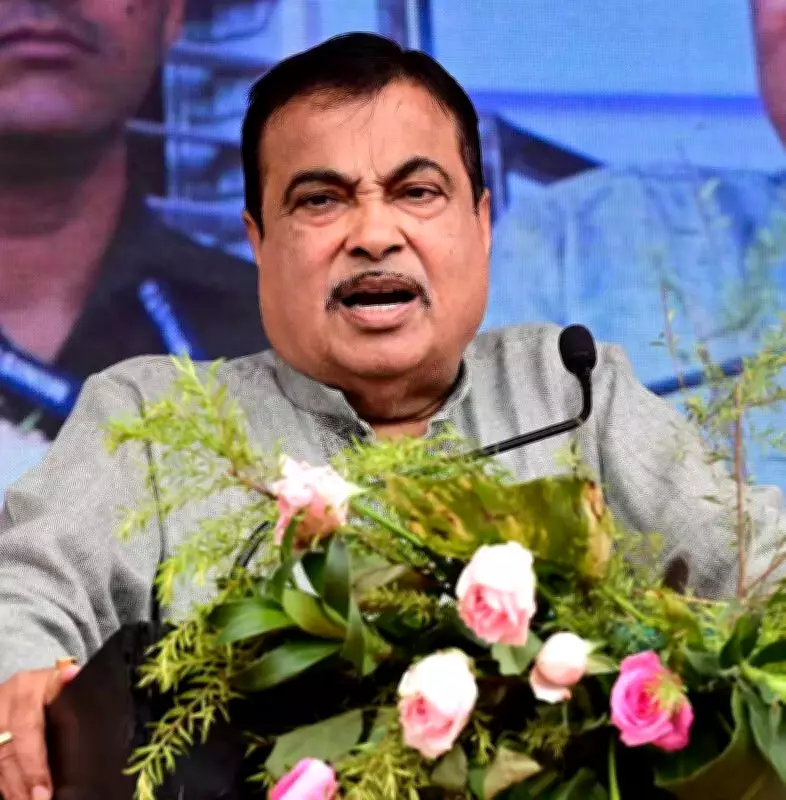
Gadkari Calls for Sustainable Transport System Amid Global Energy Uncertainty
Union Minister for Road Transport and Highways, Nitin Gadkari, emphasized the urgent need to develop a sustainable Indian transport system on Friday. This call comes against the backdrop of significant geopolitical tensions and energy security concerns, particularly due to ongoing conflicts in West Asia.
"It is obvious that India's energy security is important with the unfolding international scenario and the war. India imports 86% of its energy requirements, causing a foreign exchange outflow of Rs 22 lakh crore," Gadkari stated at the Compressed Biogas Conclave 2026, organized by the Indian Federation of Green Energy in Pune.
Government Initiatives to Reduce Import Dependency
The government has launched several initiatives aimed at reducing reliance on foreign energy imports. A key focus is promoting non-polluting fuels that can simultaneously boost the agro-economy. Gadkari highlighted that these efforts are crucial for making the Indian transport sector self-reliant and sustainable in the long term.

He stressed the importance of creating integrated systems to ensure alternative fuels effectively reach end-users. "Bio-CNG manufacturers can increase their own market size by building filling stations near their production plants, providing finance to farmers to buy tractors, and converting their vehicles to run on CNG fuel," the minister explained.
Involving Rural and Tribal Economies in Fuel Technology
Gadkari urged the industry to actively include tribal and rural economies in developing sustainable fuel technologies. "The need of the country is to facilitate technology for jal (water), jameen (land), jungle, and janwar (animals)," he said. He pointed out that people in the agriculture sector often suffer from low incomes, leading to issues like poverty, starvation, and unemployment.
He provided a stark comparison: while the manufacturing sector contributes 22% to 24% of India's GDP, agriculture contributes only 12% to 14%, despite 55% to 60% of the population depending on farming. This disparity underscores the potential for agro-based fuel initiatives to improve rural livelihoods.
Challenges from the Petroleum Lobby
The minister also warned about significant obstacles from the petroleum industry. "The petroleum lobby has immense vested interest in keeping India reliant on imports and it will create roadblocks in the development of alternative and sustainable fuels in India," Gadkari added. This highlights the competitive and political challenges facing the transition to greener energy sources.
In summary, Gadkari's address at the conclave outlined a comprehensive vision for India's energy future:
- Reducing the 86% energy import dependency to enhance national security.
- Promoting bio-CNG and other alternative fuels to create a self-reliant transport system.
- Integrating rural and tribal economies into sustainable technology development.
- Overcoming resistance from established petroleum interests to achieve these goals.
This push for sustainability is framed as not just an environmental imperative but a critical economic and security strategy amid global uncertainties.