Government to Introduce Compressed Bio-Gas Policy in Near Future
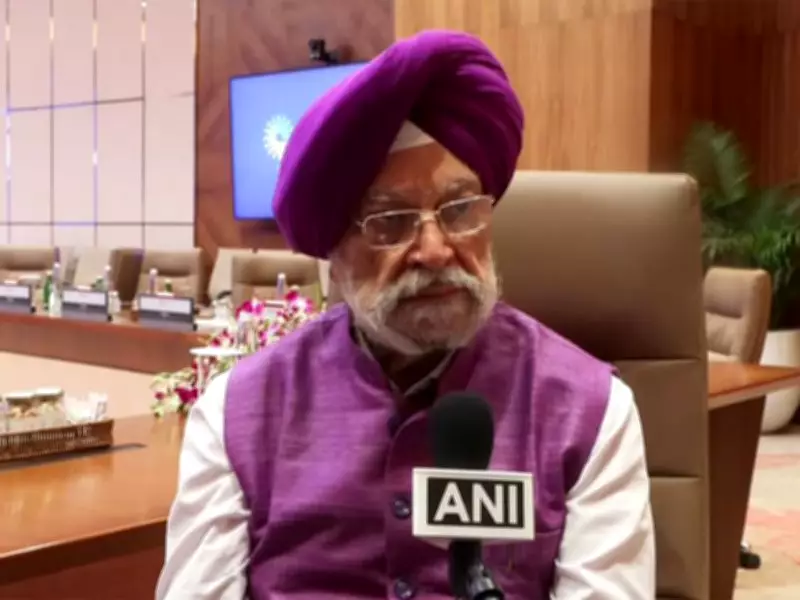
Union Minister for Petroleum and Natural Gas, Hardeep Singh Puri, has revealed that the Indian government is in the advanced stages of developing a comprehensive policy focused on compressed bio-gas (CBG). This initiative aims to accelerate the adoption of renewable energy sources and significantly decrease the nation's reliance on imported fossil fuels. The announcement underscores the government's commitment to enhancing energy security and promoting sustainable development across the country.
Key Objectives of the Proposed CBG Policy
The forthcoming policy is designed to address multiple critical aspects of the energy sector. Firstly, it seeks to establish a robust framework for the production, distribution, and utilization of compressed bio-gas, which is derived from organic waste materials such as agricultural residue, municipal solid waste, and industrial by-products. Secondly, the policy will likely include incentives and support mechanisms to encourage investments in CBG infrastructure, including plants and refueling stations. Thirdly, it aims to integrate CBG into the existing energy mix, potentially reducing greenhouse gas emissions and improving air quality in urban and rural areas alike.
Implications for India's Energy Landscape
The introduction of a dedicated CBG policy is expected to have far-reaching effects on India's economy and environment. On the economic front, it could create new job opportunities in the renewable energy sector, stimulate rural economies through waste-to-wealth projects, and lower the trade deficit by cutting down on costly fuel imports. Environmentally, the shift towards compressed bio-gas aligns with India's international commitments under the Paris Agreement and its domestic goals for achieving net-zero emissions. Moreover, by utilizing organic waste, the policy could help in managing waste more effectively, thereby addressing sanitation and pollution challenges.

Minister Puri's Vision for Sustainable Growth
In his statement, Hardeep Singh Puri emphasized that the compressed bio-gas policy is a pivotal component of the government's broader strategy to foster a green and self-reliant India. He highlighted that such measures are essential for ensuring long-term energy sustainability and reducing the carbon footprint of the transportation and industrial sectors. The minister also pointed out that the policy will complement other renewable energy initiatives, such as solar and wind power, to create a diversified and resilient energy ecosystem.
Next Steps and Industry Expectations
As the government prepares to roll out the policy, stakeholders from various sectors are eagerly awaiting further details. Industry experts anticipate that the policy will include:
- Clear guidelines for CBG production standards and quality control.
- Financial incentives, such as subsidies or tax benefits, to attract private sector participation.
- Infrastructure development plans to support the widespread adoption of CBG in vehicles and industries.
- Collaboration with state governments and local bodies to ensure effective implementation at the grassroots level.
The successful implementation of this policy could position India as a leader in the global bio-energy market, driving innovation and sustainable practices in the years to come.