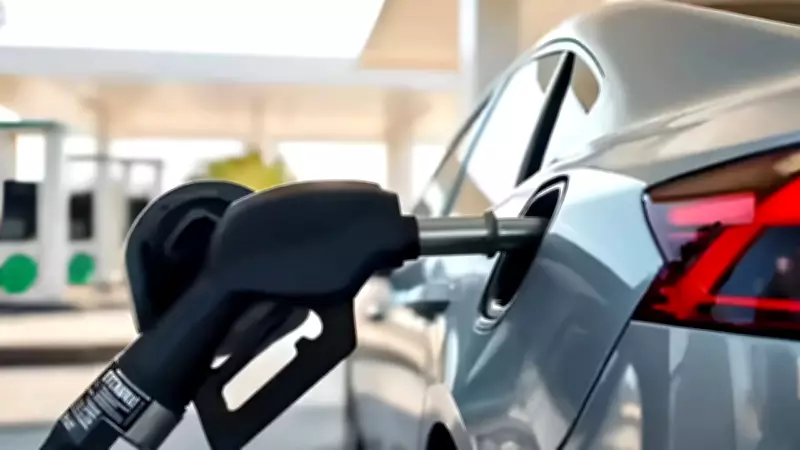
The Haryana Cabinet, chaired by Chief Minister Nayab Singh Saini, approved new rules for granting aggregator licences under the Haryana Motor Vehicles Rules, 1993. These rules align with guidelines from the Ministry of Road Transport and Highways and the Commission for Air Quality Management (CAQM).
Mandatory Clean Fuel for Aggregator Fleets
From January 1, 2026, all vehicles inducted into the fleets of aggregators, delivery service providers, and e-commerce entities in NCR areas must run on CNG, electric vehicles (EVs), battery-operated vehicles (BOVs), or other cleaner fuels. Additionally, only CNG or electric three-wheeler auto-rickshaws will be allowed in existing fleets within the National Capital Region (NCR).
The CAQM had stated in June last year that no new petrol or diesel vehicles would be permitted in cab aggregator, delivery, and e-commerce fleets in Delhi-NCR from 2026. This decision aims to promote clean mobility, reduce vehicular pollution, and improve air quality in Haryana's NCR districts.

Comprehensive Regulatory Framework
The Cabinet approved substituting Rule 86A of the Haryana Motor Vehicles Rules, 1993, to establish a regulatory framework for app-based passenger aggregators and delivery service providers. Key provisions include:
- Compulsory licensing for aggregators and delivery service providers.
- Onboarding rules for drivers and vehicles.
- Passenger safety measures and grievance redressal systems.
- Induction and refresher training programs.
- Insurance coverage for drivers and passengers.
- Cybersecurity compliance for apps and fare regulation.
Insurance and Safety Requirements
Aggregators must ensure minimum insurance coverage of Rs 5 lakh for passengers, health insurance of at least Rs 5 lakh for drivers, and term insurance of minimum Rs 10 lakh for onboarded drivers. Vehicles must be equipped with location tracking devices, panic buttons, first-aid kits, and fire extinguishers. Aggregators must also establish 24x7 control rooms and call centers for passenger assistance and grievance redressal.
Transparency and Digital Authentication
Digital authentication of vehicle and driver details will be done through the VAHAN and SARATHI portals. Aggregators and delivery service providers must maintain detailed digital records of onboarded drivers and vehicles. The registration and licensing process will be carried out via the designated portal, cleanmobility.haryanatransport.gov.in.
Additional Measures for Clean Mobility
The framework includes provisions for driver welfare, fare sharing, safety standards, inclusion of divyangjan-friendly vehicles, and a gradual transition to electric mobility. Transport Minister Anil Vij announced a proposal for 100% tax exemption on EVs in Haryana, similar to Chandigarh and Delhi, to encourage EV adoption. Currently, Haryana offers a 20% concession on EV registration fees. The state government also plans to purchase 500 electric buses.