

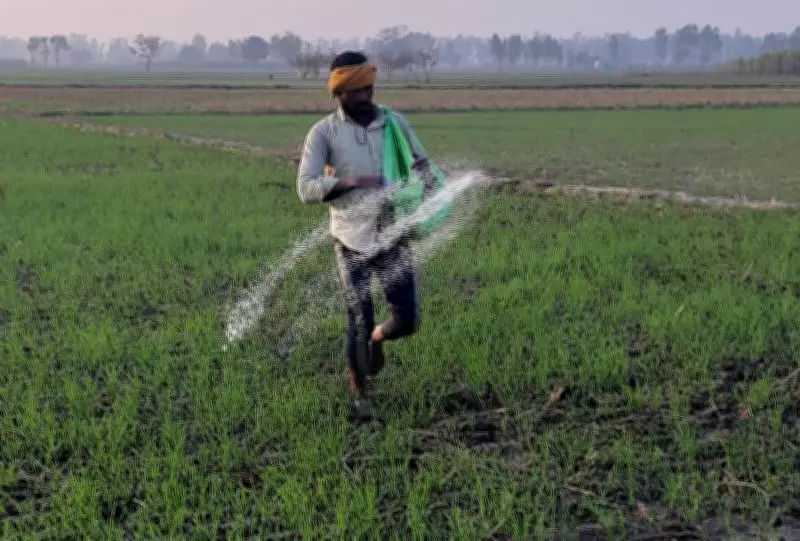
Haryana Government Unveils Plan to Replace Urea with Indigenous Fertilizer
The Haryana government has set in motion a significant agricultural initiative aimed at phasing out the use of urea, a widely used chemical fertilizer, and replacing it with a domestically produced, indigenous alternative. This strategic move is designed to enhance soil health, reduce the state's dependency on imported fertilizers, and promote sustainable farming practices across the region.
Details of the Indigenous Fertilizer Initiative
Under this new plan, authorities are actively developing and promoting a homegrown fertilizer formulation that leverages local resources and traditional knowledge. The indigenous fertilizer is expected to be more environmentally friendly, with lower carbon emissions and reduced soil degradation compared to conventional urea. Government officials have emphasized that this shift will not only support farmers by improving crop yields but also align with national goals of self-reliance in agriculture.
The initiative includes comprehensive training programs for farmers to educate them on the benefits and application methods of the new fertilizer. Additionally, subsidies and incentives may be introduced to facilitate a smooth transition from urea to the indigenous product, ensuring minimal disruption to agricultural productivity.

Broader Implications for Agriculture and Economy
By replacing urea with an indigenous alternative, Haryana aims to cut down on fertilizer imports, which currently strain the state's economy and contribute to trade deficits. This move is part of a larger trend toward sustainable agriculture, as chemical fertilizers like urea have been linked to soil acidity, water pollution, and long-term fertility loss. The new fertilizer is projected to enhance nutrient efficiency, leading to healthier crops and potentially higher profits for farmers.
Experts suggest that this plan could serve as a model for other Indian states, encouraging nationwide adoption of eco-friendly farming solutions. The Haryana government is collaborating with agricultural research institutions to refine the fertilizer's composition and ensure it meets the diverse needs of the state's crops, including wheat, rice, and sugarcane.
Key Benefits of the Indigenous Fertilizer:- Reduced environmental impact through lower chemical runoff
- Improved soil structure and long-term fertility
- Decreased reliance on costly imported fertilizers
- Support for local industries and job creation in the agricultural sector
As the plan progresses, stakeholders will monitor its implementation closely, with pilot projects likely to be launched in select districts to assess effectiveness before a full-scale rollout. This initiative marks a pivotal step in Haryana's commitment to transforming its agricultural landscape, fostering resilience against global market fluctuations, and promoting a greener future for farming communities.






