Himachal Pradesh Implements Green Tax on Tourist Vehicles to Combat Environmental Degradation
In a significant move to address the growing environmental concerns in the Himalayan region, the Himachal Pradesh government has introduced a green tax on tourist vehicles entering the state. This policy aims to mitigate the adverse effects of tourism-related pollution and preserve the state's fragile ecosystem, which has been under strain due to increasing vehicular traffic.
Key Details of the Green Tax Implementation
The green tax applies specifically to vehicles registered outside Himachal Pradesh that enter the state for tourism purposes. The tax structure is designed to be progressive, with rates varying based on the type of vehicle and the duration of stay. For instance, light motor vehicles such as cars and SUVs are subject to a lower fee compared to heavier vehicles like buses and trucks, which contribute more significantly to pollution and road wear.
Tax Rates and Duration: The tax is levied on a per-entry basis, with options for daily, weekly, or monthly passes to accommodate different lengths of stay. This flexible approach ensures that tourists are not unduly burdened while still contributing to environmental conservation efforts. The revenue generated from this tax will be earmarked for initiatives aimed at improving infrastructure, waste management, and promoting sustainable tourism practices across the state.

Rationale Behind the Green Tax Policy
The decision to implement a green tax stems from the urgent need to combat air and noise pollution, which have escalated due to the surge in tourist arrivals in recent years. Himachal Pradesh, known for its pristine landscapes and biodiversity, has witnessed a decline in environmental quality, with issues such as traffic congestion, littering, and carbon emissions becoming more prevalent. By imposing this tax, the government seeks to discourage unnecessary vehicular movement and encourage the use of public transport or eco-friendly alternatives among visitors.
Environmental Impact: Studies have shown that vehicular emissions are a major contributor to air pollution in hill stations, exacerbating health risks for both residents and tourists. The green tax is expected to reduce the number of private vehicles on the roads, thereby lowering pollution levels and helping to maintain the ecological balance. Additionally, it aligns with broader national and global efforts to promote sustainable development and climate resilience.
Exemptions and Enforcement Mechanisms
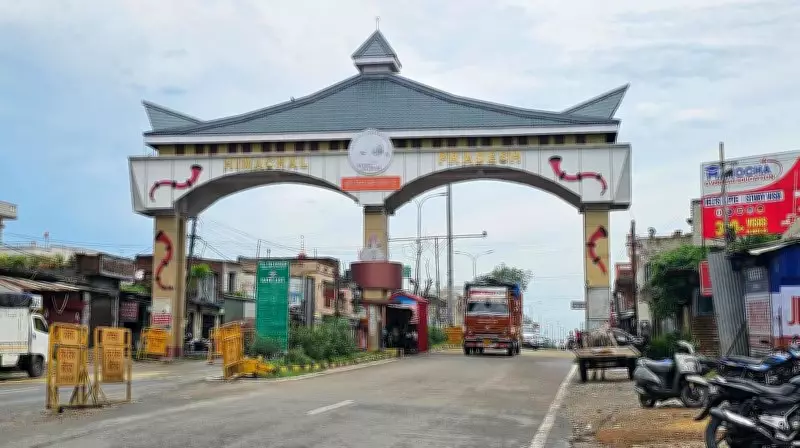
Certain categories of vehicles are exempt from the green tax to ensure fairness and practicality. These include vehicles used for essential services such as ambulances, government vehicles on official duty, and those registered within Himachal Pradesh. The enforcement of the tax will be carried out through checkpoints at key entry points into the state, where officials will verify vehicle registration and collect the applicable fees.
Public and Stakeholder Response: The introduction of the green tax has garnered mixed reactions from various stakeholders. While environmental groups and local residents have welcomed the move as a step towards preserving natural resources, some tourism industry representatives have expressed concerns about potential impacts on visitor numbers. However, the government has emphasized that the tax is minimal and intended to foster responsible tourism, rather than deter it.
Broader Implications for Tourism and Environment
This policy is part of a larger strategy by the Himachal Pradesh government to promote eco-tourism and ensure long-term sustainability. By incentivizing greener travel options, the state aims to enhance the tourist experience while protecting its unique environment. The green tax also sets a precedent for other tourist-dependent regions in India to adopt similar measures, contributing to nationwide environmental conservation efforts.

In conclusion, the green tax on tourist vehicles in Himachal Pradesh represents a proactive approach to balancing economic benefits from tourism with ecological preservation. As the state moves forward with this initiative, monitoring its effectiveness and making adjustments based on feedback will be crucial for achieving the desired environmental outcomes without compromising the vitality of the tourism sector.