India Mandates Nationwide Sale of E20 Petrol with Minimum 95 RON from April 1
The Government of India has issued a landmark directive, mandating the nationwide sale of E20 petrol with a minimum Research Octane Number (RON) of 95, effective from April 1, 2025. This significant policy move is designed to accelerate the country's transition towards cleaner and more sustainable fuel alternatives, aligning with broader environmental and energy security goals.
Key Details of the New Fuel Mandate
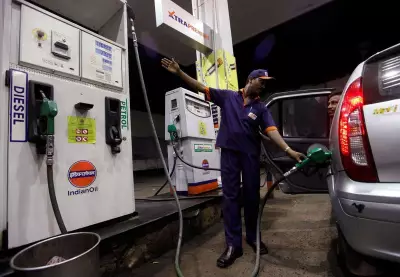
Under this new regulation, all petrol pumps across India will be required to dispense E20 petrol, which contains 20% ethanol blended with 80% petrol. The mandate specifies that this fuel must have a minimum RON of 95, ensuring higher engine efficiency and performance compared to standard petrol grades. This initiative builds upon previous efforts to promote ethanol blending, such as the E10 petrol already available in many regions.
Objectives and Expected Benefits
The primary objectives of this mandate are multifaceted. Firstly, it aims to substantially reduce vehicular emissions, contributing to improved air quality and public health. By increasing ethanol content, which is derived from renewable sources like sugarcane and grains, the policy supports India's commitments under international climate agreements. Additionally, it seeks to enhance energy security by reducing reliance on imported crude oil, thereby saving valuable foreign exchange reserves.

From an economic perspective, the move is expected to boost the agricultural sector by creating a steady demand for ethanol feedstocks, potentially increasing farmer incomes. The higher octane rating of 95 RON also promises better fuel efficiency and engine performance for vehicles, which could lead to long-term cost savings for consumers.
Implementation and Challenges
The rollout of E20 petrol nationwide will require coordinated efforts from oil marketing companies, fuel retailers, and automotive manufacturers. Existing petrol pumps may need infrastructure upgrades to handle the new fuel blend, while vehicle manufacturers might have to ensure compatibility with higher ethanol content. The government has indicated that support mechanisms and guidelines will be provided to facilitate a smooth transition, minimizing disruptions in the fuel supply chain.
Potential challenges include ensuring consistent fuel quality across the country, addressing any technical issues in older vehicles, and managing the logistics of ethanol supply. However, authorities are confident that with proper planning and stakeholder collaboration, these hurdles can be overcome effectively.
Broader Implications for India's Energy Landscape
This mandate represents a critical step in India's journey towards a greener economy. It complements other initiatives like the promotion of electric vehicles and renewable energy sources, positioning the country as a leader in sustainable development. By setting a clear timeline for implementation, the government signals its commitment to achieving ambitious targets in reducing carbon footprints and fostering innovation in the energy sector.
As April 1, 2025, approaches, consumers and industries alike are advised to stay informed about the changes and prepare accordingly. This policy is not just about fuel; it's a strategic move towards a cleaner, more self-reliant India, with potential ripple effects on global energy trends.