India Explores Increasing Ethanol Blending in Petrol to 21%
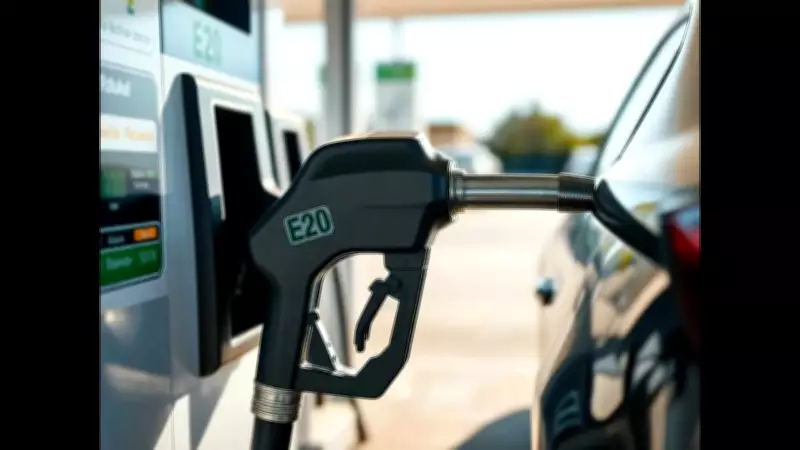
In a significant development for India's energy policy, the government has indicated that ethanol blending in petrol could be raised from the current 20% to 21%. This potential adjustment comes as authorities assess the tolerance levels of vehicles and respond to global supply chain disruptions, particularly in West Asia.
Government Commitment to Biofuels
Hanif Qureshi, Additional Secretary of the Ministry of Heavy Industries, addressed queries regarding discussions on increasing ethanol blending. He emphasized the government's steadfast commitment to maximizing biofuel usage, stating, "The government is dedicated to utilizing biofuels as extensively as possible, and the implementation of E20 has already been achieved."
Qureshi further clarified that the Bureau of Indian Standards (BIS) has established guidelines allowing for a +/- 1% variation in blending levels. "This means that blending could potentially reach about 21%," he added, highlighting the technical feasibility of the proposed increase.

Economic and Environmental Benefits
The Ethanol Blended Petrol (EBP) programme has delivered substantial economic advantages for India. According to government data, the initiative has resulted in annual savings of approximately 4.5 crore barrels of crude oil. Cumulatively, this has translated into foreign exchange savings of around Rs 1.65 lakh crore, underscoring the programme's critical role in enhancing energy security and reducing import dependency.
Vehicle Compatibility Concerns
Industry experts and analysts monitoring the EBP programme have raised important considerations regarding vehicle compatibility. While a marginal increase in ethanol blending is unlikely to pose issues for vehicles manufactured after April 2023, which are designed to be E20 compliant, older vehicles produced before 2023 may encounter challenges.
"A slight uptick in blending should not adversely affect newer models, but it could present problems for pre-2023 vehicles," noted one analyst. They stressed that "enhanced blending effectiveness is contingent upon engines being specifically engineered to accommodate higher ethanol concentrations."
Industry Demand and Surplus Capacity
Sanjeev Chopra, Food Secretary, recently commented on the industry's push for increased blending during a conference organized by the sugar industry lobby group, ISMA. He pointed out that there is a surplus capacity in ethanol manufacturing, which could support higher blending targets.
"The industry has been advocating for an increase in blending, and we possess the necessary surplus production capacity," Chopra stated. He hinted at possible announcements before the commencement of the next ethanol supply year in November, suggesting that policy updates may be imminent.
Strategic Roadmap and Flex Fuel Vehicles
To systematically address the blending increase, the government has constituted a high-level panel comprising senior officials from key ministries, including Petroleum, Food, Heavy Industries, and Road Transport. This committee is tasked with developing a comprehensive roadmap to facilitate the transition to higher ethanol blends.
Qureshi also highlighted the potential of Flex Fuel Vehicles (FFVs) as a strategic avenue to further diminish reliance on crude oil imports. "FFVs, capable of operating with up to 85% ethanol-blended petrol, represent a promising solution," he explained.
He noted that the automotive industry has already introduced models compatible with flex fuels, ensuring that engines can handle such blends without compromising performance. "We have witnessed advancements in both four-wheeler and two-wheeler segments, with vehicles now capable of utilizing flex fuels. We are optimistic about the growing adoption of flex fuels, which will alleviate pressure on crude oil imports," Qureshi concluded.