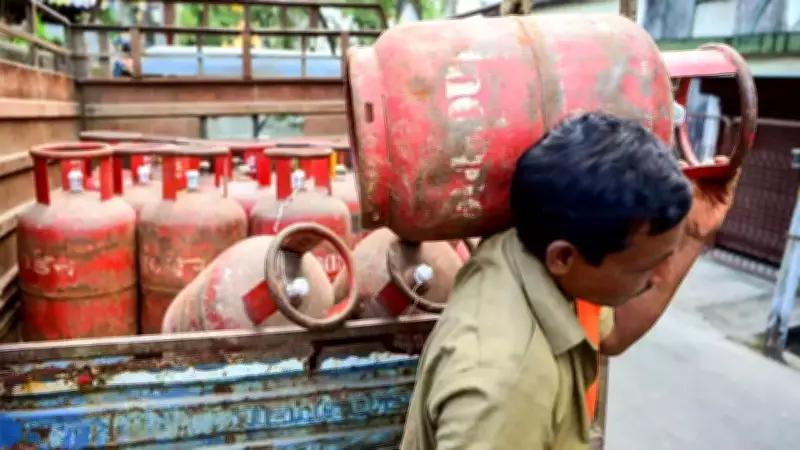
India Prioritizes Domestic LPG Supply as Global Tensions Disrupt Fuel Chain
The Ministry of Petroleum and Natural Gas has issued a directive to oil refineries across India, instructing them to significantly increase the production of Liquefied Petroleum Gas (LPG). This strategic move aims to channel the additional output exclusively for domestic household consumption, ensuring energy security for citizens during a period of heightened geopolitical uncertainty.
Government Response to Global Supply Disruptions
In an official announcement on social media platform X, the ministry stated, "In light of current geopolitical disruptions to fuel supply and constraints on supply of LPG, Ministry has issued orders to oil refineries for higher LPG production and using such extra production for domestic LPG use." This decision comes as a direct response to the ongoing West Asia crisis, which has created volatility in global oil and energy markets, threatening the stability of fuel supply chains worldwide.
To manage the current supply environment effectively and prevent market manipulation, the ministry has introduced a 25-day inter-booking period for consumers. This measure is specifically designed to discourage hoarding and eliminate black marketing practices. "The ministry has prioritised domestic LPG supply to households and introduced 25 day inter-booking period to avoid hoarding/black marketing," the ministry emphasized in its statement.

Supply Prioritization and Committee Formation
The government has established clear priorities for the distribution of imported LPG, focusing on essential non-domestic sectors. "Non domestic supplies from imported LPG is being prioritised to essential non domestic sectors such as Hospitals and Educational institutions," the ministry clarified. For other commercial sectors, including restaurants, hotels, and various industries, a dedicated committee has been formed.
This committee, comprising three Executive Directors from Oil Marketing Companies (OMCs), will review representations and requests for LPG supply from these sectors. This structured approach ensures that critical needs are addressed while maintaining overall supply discipline.
Impact on Major Cities and Commercial Establishments
The supply disruption has already begun to affect several major Indian cities, with Mumbai experiencing significant delays in LPG refills. Waiting periods after booking now range from two to eight days, a substantial increase from the previous norm. More critically, the supply of commercial cylinders used by hotels and restaurants has been completely halted, according to local dealers.
A suburban dealer explained, "Moreover, a new notification from the Union ministry of petroleum stipulates that domestic consumers can only book a new refill 25 days after receiving one cylinder. It is not like last week when you could book the next cylinder within a day or two." He further warned, "At least the domestic 14.2 kg cylinder is still available. The supply of commercial LPG cylinders has been completely halted since Sunday. This will lead to a crisis for hotels and restaurants who purchase these large cylinders."
Dealers have expressed concerns that commercial establishments might resort to purchasing domestic cylinders from the black market, describing such actions as both illegal and dangerous.
Bengaluru and Kolkata Face Similar Challenges
In Bengaluru, hotels and self-service eateries reported an unexpected shortage of commercial LPG cylinders, raising alarms about potential disruptions to the city's food services. The Bangalore Hotels Association warned that many small and medium-scale eateries could be forced to temporarily shut down if the situation persists.
P C Rao, honorary president of the association, stated, "Only about 10% of hotels and restaurants in Bengaluru received their LPG supply today. We have gas to keep our kitchens running only until Tuesday afternoon or evening." Hoteliers indicated that distributors had received instructions from the ministry to prioritize domestic consumers. However, establishments connected to piped gas networks from GAIL (India) Limited remain unaffected, representing approximately 10 to 15 percent of the city's hospitality sector.

Kolkata is also bracing for impact, with restaurants and bakeries facing potential operational disruptions. The ministry's suspension of non-domestic LPG cylinder distribution has prompted businesses to seek alternatives. Sources within the hospitality and food industries caution that disruptions are imminent if commercial LPG supply remains halted, though hospitals will continue to receive commercial LPG as per the ministry's directive.
Minister's Assurance on Energy Resilience
Union Minister for Petroleum and Natural Gas Hardeep Singh Puri addressed the broader energy situation, highlighting India's proactive measures. In an informal interaction with media professionals, the minister discussed the emerging geopolitical landscape and its challenges to energy markets.
On X, Puri stated, "In informal interaction with a large group of media professionals today, we had detailed discussion on the emerging geopolitical situation and challenges facing the energy markets. Uninterrupted energy imports are flowing into India from routes that are not impacted by the conflict and we are taking all necessary steps to ensure availability of energy to our citizens." This reassurance underscores the government's commitment to maintaining energy stability through diversified import channels and strategic domestic production increases.