India's Clean Energy Transition Enters Critical Implementation Phase
India's ambitious clean energy journey is transitioning into a decisive phase where system design and implementation frameworks will determine success as much as initial targets and aspirations. Over the past decade, the country has achieved remarkable expansion in renewable energy capacity through policy reforms, competitive bidding mechanisms, and targeted fiscal support. However, the next chapter demands more than scale alone—it requires sharper focus on system readiness, financial stability, and policy credibility.
Energy Storage Emerges as Critical Infrastructure
One issue that has clearly moved to the forefront is energy storage solutions. With increasing integration of variable renewable sources like solar and wind, the challenge has evolved from generation capacity alone to effective storage and reliable power delivery. Battery Energy Storage Systems (BESS) are now recognized as essential infrastructure rather than optional additions. Storage installations are expected to rise sharply, but this growth depends on:
- Clearer regulatory frameworks for storage deployment
- Rationalization of charges and levies affecting storage economics
- Tax regimes that improve bankability of storage projects
In parallel, pumped storage projects are regaining relevance as solutions for long-duration storage, enabling utilization of surplus green energy during non-solar hours—provided approval processes and financing pathways are streamlined.

Grid Modernization and Distribution Reform Progress
Grid modernization and distribution reform remain equally critical to India's energy transition. Recent policy developments show encouraging progress, with Indian DISCOMs returning to profitability in FY 2024-25 after years of losses, supported by improved cost recovery and lower aggregate technical and commercial (AT&C) losses. However, performance remains uneven across states, highlighting the need for continued reform.
New policy initiatives encourage greater private participation in distribution to enhance efficiency and service quality. Budget 2026 can consolidate these gains through:
- Outcome-linked support for smart meter deployment
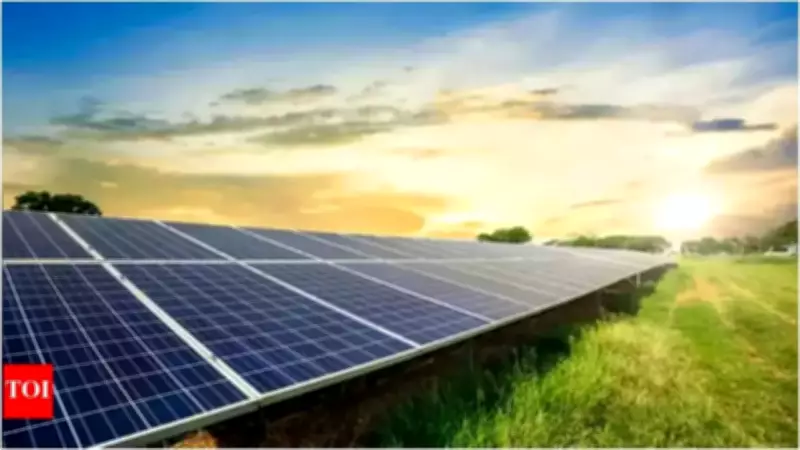
- Accelerated rooftop solar adoption
- Payment security mechanism reforms
- Faster execution of inter-state transmission projects
- Sustained investment in new transmission corridors
Green Hydrogen and Manufacturing Priorities
Another area where expectations are steadily building is green hydrogen development. The National Green Hydrogen Mission has established a clear direction, but scaling the ecosystem requires continued support across production, storage, transportation, and end-use adoption. Policy continuity and clarity around incentives in Budget 2026 will be critical to attracting long-term capital to this emerging sector.
Manufacturing is becoming a key pillar of India's energy transition, necessitating ongoing fiscal and policy support. Expanding domestic manufacturing of solar modules, cells, batteries, and electrolysers can align clean energy goals with industrial priorities while reducing import dependence. Alongside renewables, India is developing small modular nuclear reactors linked to hydrogen production, signaling diversification of clean energy technologies.
Policy Certainty and Fiscal Measures
As the clean energy ecosystem deepens, policy certainty reinforced through Budget measures on taxation, indirect levies, and exit structures will remain critical to sustaining long-term investment. Proposals to strengthen climate-finance frameworks, including dedicated green financing platforms, could support capital formation across renewables, electric mobility, and climate technologies.
Tax policy will remain a critical lever across these areas. Expectations from Budget 2026 include:
- Further rationalization of GST for renewable energy equipment and services
- Import duty rationalization and calibrated customs duties for critical inputs
- Targeted measures such as accelerated depreciation for clean energy assets
These measures could materially improve project economics, particularly for storage and other capital-intensive technologies.

Building Sustainable Foundations
Continued support for rooftop solar, including potential expansion of PM Surya Ghar (Muft Bijli Yojana), can enhance decentralized generation and consumer participation. Bioenergy and compressed biogas also deserve attention for their roles in waste management, rural income generation, and energy security.
Ultimately, the success of Budget 2026 will depend on whether it reinforces confidence that India's energy transition is not only ambitious but also bankable and sustainable. Clear and predictable domestic policies will be key to supporting international partnerships and enhancing India's clean energy export potential while conveying a clear vision for sustainable growth.
The clean energy transition is firmly underway across India; the task now is to ensure the foundations are robust enough to sustain this monumental shift toward a greener energy future.