

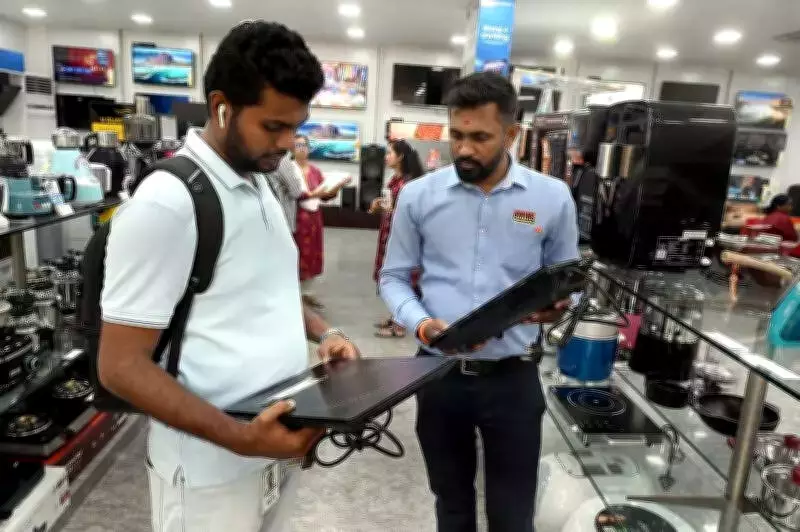
India's Kitchen Revolution: Electric Cooking Gains Momentum Amid LPG Crisis
As households across India grapple with LPG shortages and escalating prices, the central government is spearheading a significant transformation in the nation's kitchens. This strategic shift involves a large-scale transition to electric cooking, aimed at alleviating supply constraints and promoting cleaner energy alternatives.
EESL's Massive Induction Stove Rollout
State-run Energy Efficiency Services Ltd (EESL) is at the forefront of this initiative, preparing to deploy over five lakh induction cookstoves in phased implementations. This ambitious rollout responds to surging demand and aims to stabilize the cooking fuel supply chain across the country.
Officials have confirmed that EESL will soon issue fresh tenders for procuring these energy-efficient appliances. The company has already awarded a tender for one lakh induction cookstoves and has initiated procurement of compatible utensils, incorporating feedback from state governments and consumers.

Currently, nearly one lakh units are being dispatched to various states, public sector undertakings, and institutions. "Given the overwhelming market response, EESL is gearing up to float fresh tenders for over half a million units once the current vendor capacity is exhausted," a senior EESL official stated.
National Efficient Cooking Programme: A Strategic Framework
This electric cooking push forms part of the Union government's National Efficient Cooking Programme (NECP), launched under the broader 'Go Electric' campaign. The programme's objectives include reducing dependence on fossil fuels and promoting cleaner cooking alternatives, as officials emphasized on Friday.
The urgency behind this transition has been amplified by a sharp increase in induction stove prices, driven by rising demand amid LPG shortages. These shortages are linked to supply disruptions in the Strait of Hormuz, highlighting the vulnerability of traditional fuel supply chains.
Price Stabilization and Market Expansion
EESL's intervention is strategically designed to stabilize prices and ensure wider availability of induction cooktops in both urban and rural markets. The company plans to leverage its e-commerce platform, EESLmart.in, to facilitate distribution and accessibility.
To guarantee steady supply and price stability, EESL has entered into one-year rate contracts with multiple domestic manufacturers. Officials assert that this approach will ensure consistent quality, timely delivery, and uninterrupted availability of induction stoves nationwide.
Building on Energy Efficiency Success
EESL's electric cooking initiative builds upon its proven track record of implementing large-scale energy efficiency programmes. Previous successes include the UJALA (Unnat Jyothi Affordable LEDs for All) and Gram UJALA schemes, which dramatically transformed lighting consumption patterns across India.
Under the NECP framework, the company is promoting energy-efficient 1,200W induction cooktops equipped with advanced features such as energy consumption displays and child safety locks. These appliances represent the next frontier in India's energy conservation efforts.
Proposal for National Flagship Status
EESL has submitted a proposal to the central government to elevate the National Efficient Cooking Programme into a flagship national initiative. This move would position electric cooking as a strategic and cost-effective solution for India's clean energy transition, aligning with broader environmental and economic goals.
Economic and Environmental Benefits
"Induction-based cooking can deliver 20-30% savings compared to LPG, with some estimates placing savings as high as 35%, while also significantly reducing carbon emissions," EESL highlighted in its assessment. This dual benefit of economic efficiency and environmental sustainability makes electric cooking an attractive alternative for Indian households.
The transition to electric cooking represents more than just a response to immediate fuel shortages—it signifies a fundamental shift in India's energy consumption patterns. As the programme expands, it promises to reshape kitchen practices while contributing to the nation's clean energy objectives.






