The article is authored by Rohan Dewan, Founder & CEO, LeafyBus. India's electric mobility transition has gathered significant momentum over the past few years, particularly in the realm of urban transportation. Electric two-wheelers, three-wheelers, and city buses are becoming increasingly visible across major metropolitan areas, supported by government incentives, improving technology, and growing public acceptance.
Moving Beyond Urban Centres for Comprehensive Decarbonisation
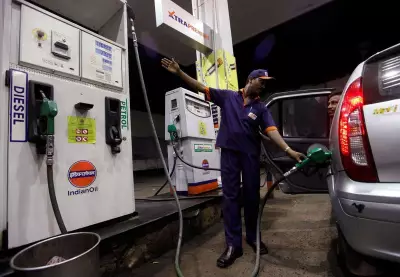
However, to achieve meaningful and substantial decarbonisation of the transport sector, India's electric mobility roadmap must now strategically move beyond cities and address the critical areas of intercity and long-distance transportation. Buses and coaches operating on highways and intercity routes remain heavily dependent on diesel, contributing significantly to emissions, fuel consumption, and air pollution.
As the Union Budget approaches, the electric mobility industry is looking for stronger and more targeted incentives that recognise the operational realities of this segment and enable a faster, more sustainable transition across the country.

Broadening the Scope of EV Incentives for Highway Transport
Most electric mobility policies to date have been designed primarily around urban use cases. While this approach was necessary to initiate adoption, it has left intercity electric transportation with limited policy support. Long-distance electric buses differ fundamentally from city fleets in terms of battery capacity, charging requirements, vehicle costs, and route planning.
Higher upfront costs continue to be a key barrier for operators considering intercity electric buses. The industry expects the upcoming Budget to introduce dedicated incentives such as capital subsidies, viability gap funding, or route-based support specifically for electric buses and coaches operating on highways and intercity corridors.
Such measures would help bridge the cost gap with conventional diesel buses and significantly improve project viability for operators across the nation.
Highway Charging Infrastructure as a National Priority
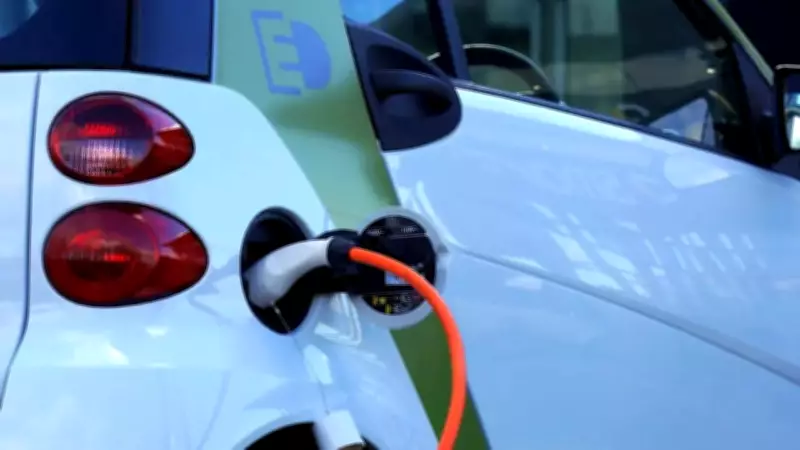
The availability of reliable charging infrastructure along highways remains one of the most critical enablers for intercity electric mobility. While charging networks in cities are expanding, long-distance routes require high-capacity fast chargers placed strategically along national and state highways.
Industry stakeholders expect the Budget to prioritise funding and policy support for highway charging infrastructure through public-private partnerships. Clear guidelines on land allocation, grid connectivity, power tariffs, and operational standards will be essential to encourage private investment and ensure consistency across different regions.
A robust highway charging network would not only support electric buses but also enable the broader electrification of freight and passenger transport, creating long-term systemic benefits for India's transportation ecosystem.
Reducing Financial Barriers to Adoption for Operators
Despite technological advancements, electric buses continue to carry a higher acquisition cost compared to diesel alternatives. Rationalising GST on electric buses, charging equipment, and critical components can play a meaningful role in reducing capital expenditure for operators.
Access to affordable financing is another significant challenge. Financial institutions remain cautious due to limited long-term performance data and concerns around asset life. Budget-led interventions such as interest subvention, credit guarantee mechanisms, or recognition of electric buses under priority sector lending could help lower financing costs and unlock capital for fleet expansion.
Reducing the cost of finance is particularly important for regional and private operators who serve large parts of non-metro India and play a vital role in intercity connectivity across the country.
Strengthening Domestic Manufacturing for Self-Reliance
As demand for electric buses grows, the need for a strong domestic manufacturing ecosystem becomes increasingly important. Batteries, power electronics, drivetrains, and charging equipment form the backbone of electric mobility, and dependence on imports exposes the sector to supply chain risks and cost volatility.

The industry expects continued Budget support for domestic manufacturing through production-linked incentives, R&D funding, and duty rationalisation on critical raw materials. Encouraging localisation will help reduce costs, improve supply reliability, and ensure that vehicles are designed for Indian operating conditions, particularly for long-distance travel.
Stable and long-term policy signals are essential to enable manufacturers to invest confidently in capacity expansion and technology development for the evolving market.
Enabling Adoption Beyond Major Metro Corridors
Intercity electric mobility must not remain limited to major metro corridors. A significant share of India's passenger movement occurs between Tier-2 and Tier-3 cities, where buses are often the most accessible and affordable mode of transport.
The industry expects the Budget to ensure that incentive frameworks are inclusive of non-metro and regional routes. Support for state transport undertakings and private operators serving these corridors will be essential to ensure equitable adoption and avoid an urban-centric transition that leaves smaller cities behind.
A Market-Led, Future-Ready Approach for Sustainable Growth
For electric mobility to scale sustainably, policy frameworks must enable innovation rather than prescribe rigid models. The industry looks for clear long-term electrification roadmaps for buses and coaches, while allowing flexibility in technology choices, charging models, and operational strategies.
Predictable regulations, consistent incentives, and coordinated implementation between the Centre and states will be critical in building investor confidence and accelerating adoption across all transportation segments.
About the Author
TOI Business Experts delivers insightful, exclusive and unique perspectives across diverse domains, offering a nuanced understanding of the Indian economy, personal finance, income tax, business, technology, and stock markets. TOI Experts Speak contributes a comprehensive and informed narrative across key facets of the contemporary landscape.
In the realm of the economy, they dissect macroeconomic trends and policy impacts. In personal finance and income tax, their opinions and recommendations span investments, savings, and financial planning. Business insights delve into corporate strategies and market dynamics. Technology coverage explores innovation and its societal effects, while stock market experts provide market intelligence and investment strategies.