

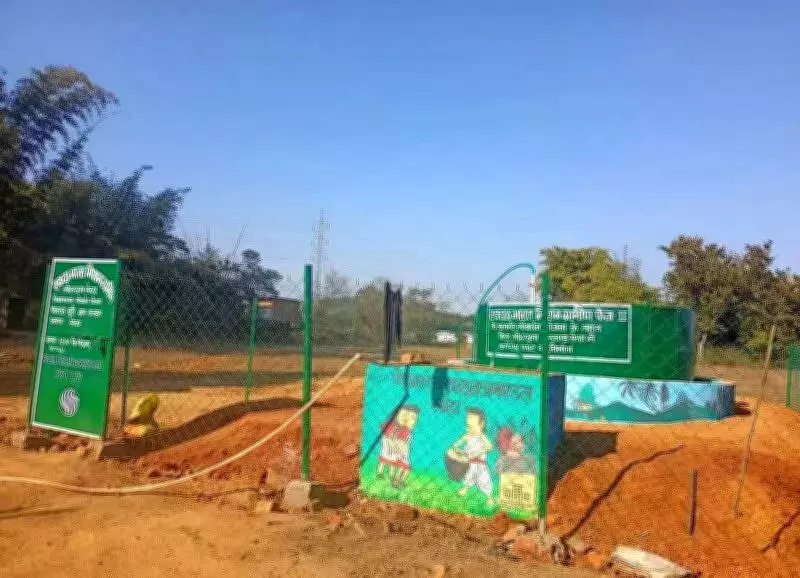
Jharkhand's GOBARdhan Initiative Drives Clean Energy Expansion with Biogas Plants
The drive for clean and environmentally sustainable energy is accelerating across Jharkhand, with a significant expansion of gobar gas plants under the innovative Galvanising Organic Bio-Agro Resources Dhan (GOBARdhan) program. This initiative, part of the 'Kachre se Kanchan' (waste to wealth) campaign, is transforming rural landscapes by converting cattle dung into valuable resources.
Core Objectives and National Framework
The primary goals of the GOBARdhan scheme are multifaceted, focusing on:
- Enhancing village cleanliness and sanitation standards.
- Boosting household incomes for rural families.
- Generating renewable energy from organic waste.
- Producing high-quality organic manure to support agriculture.
Launched by the Central Government in April 2018, this program operates under the Solid and Liquid Waste Management component of Swachh Bharat Mission (Grameen) 2.0. It aims to create a positive impact on rural hygiene while simultaneously generating wealth and energy from cattle dung and other organic materials.

Statewide Implementation and Benefits
According to Manohar Marandi, Special Secretary of Jharkhand Swachh Bharat Mission (Grameen), the state has successfully established 44 gobar gas plants across 24 districts, directly benefiting 745 families. Many districts in Jharkhand have a strong tradition of cattle rearing, but previously, communities primarily focused on milk production. Since the scheme's implementation from 2020-21, cow dung is now being utilized to produce cooking gas, significantly reducing rural dependence on firewood.
Marandi emphasized the health and environmental advantages, stating, "The gobar gas plants have proven efficient in curbing pollution and improving the health of rural people. Earlier, heavy smoke from burning firewood adversely impacted their health." Additionally, the initiative helps manage solid waste like cow dung and agricultural residues, promoting environmental sanitation and reducing vector-borne diseases.
Economic and Practical Advantages
The biogas plants are delivering substantial economic benefits by lowering household expenses. The use of biogas reduces reliance on LPG, cutting fuel costs. Furthermore, the residual cow dung from biogas production serves as nutrient-rich manure, enhancing agricultural productivity and farm yields.
Marandi highlighted a practical example during recent LPG shortages, noting, "Families dependent on biogas faced no difficulties, as there is no dearth of cow dung in villages, allowing them to produce their own fuel continuously." Encouraged by this success, the department plans to set up approximately 10 more plants in the next financial year.
Operational Model and Community Involvement
Digvijay Kumar, State Consultant of SBM-G, explained the operational framework, saying, "Households do not have to pay for using the gas, except a meagre financial contribution to maintain the plants. The amount is decided by village-level committees." This community-driven approach ensures sustainability and local ownership, making the initiative both accessible and effective for rural populations.
Overall, Jharkhand's GOBARdhan initiative is not only advancing clean energy goals but also fostering rural development, health improvements, and economic resilience through innovative waste-to-wealth solutions.






