Karnataka Records Marginal Increase in Tax Share Under 16th Finance Commission
Karnataka has witnessed a slight uptick in its share of taxes devolved by the Centre, as per the recommendations of the 16th Finance Commission. The state's tax share is now pegged at 4.131 per cent, marking a 14 per cent increase compared to the previous commission. However, this marginal rise has been met with criticism from the state government, which highlights significant shortcomings in other financial allocations.
Disappointment Over SDRF and Local Body Grants
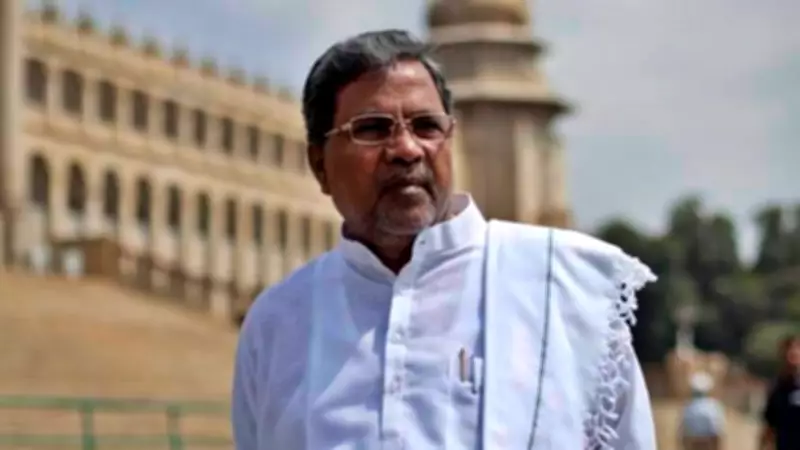
Chief Minister Siddaramaiah has voiced strong concerns regarding the allocations for the State Disaster Response Fund (SDRF) and grants for urban and rural local bodies. In a recent statement, he noted that while the tax devolution shows a modest improvement, the funds designated for disaster management and local governance fall short of expectations. This disparity has led the government to label the overall financial package as disappointing and insufficient for the state's developmental needs.
Historical Context and Comparative Analysis
The tax share for Karnataka under the 14th Finance Commission stood at 4.71 per cent, which later dipped to 3.647 per cent under the 15th Finance Commission, resulting in a substantial 23 per cent loss. Despite petitions and multiple memorandums submitted to the 16th Finance Commission to restore and exceed previous levels, the current allocation remains 14.1 per cent lower than that of the 14th Finance Commission. Siddaramaiah emphasized that the state had advocated for a more equitable distribution to address historical injustices, but the latest recommendations have not met these demands.

Detailed Breakdown of Allocations
According to the 16th Finance Commission report, Karnataka is set to receive a total of Rs 5,135 crore under the SDRF for the period from 2026-27 to 2030-31. In comparison, states like Maharashtra, Uttar Pradesh, and Bihar are allocated significantly higher amounts, with Maharashtra receiving Rs 23,697 crore, Uttar Pradesh Rs 12,256 crore, and Bihar Rs 10,891 crore. Similarly, under the State Disaster Mitigation Fund (SDMF), Karnataka's allocation is Rs 1,284 crore, while Maharashtra gets Rs 5,921 crore, Uttar Pradesh Rs 3,064 crore, and Bihar Rs 2,723 crore.
For grants to Urban Local Bodies (ULBs) and Rural Local Bodies (RLBs), Karnataka will receive approximately Rs 37,372 crore over the five-year period. In stark contrast, Uttar Pradesh is slated to receive Rs 1.16 lakh crore for the same duration, highlighting a considerable gap in funding for local governance initiatives.
Unmet Demands and Future Implications
The Karnataka government had put forth several specific requests to the Finance Commission, including:
- Increasing the total divisible pool of taxes for states from 41 per cent to 50 per cent.
- Securing Rs 27,093 crore for the development of Bengaluru.
- Obtaining special grants for irrigation projects and the development of regions such as Kalyana Karnataka, Malnad, and the coastal area.
Unfortunately, none of these demands were incorporated into the final recommendations. Siddaramaiah lamented this oversight, stating that it is unfortunate the Commission did not honor these critical needs, which could have significantly boosted the state's infrastructure and economic growth.
As Karnataka navigates these financial allocations, the focus remains on leveraging the marginal tax increase while addressing the shortfalls in disaster response and local body funding through alternative means.