Kochi Coastal Community Remains Wary Despite Massive Seawall Project Approval
The Kerala state government has officially sanctioned the second phase of the ambitious Chellanam tetrapod seawall project, allocating a substantial Rs 404 crore for constructing a 6.1-kilometer stretch from Puthenthode to Manassery. This significant financial commitment aims to protect vulnerable coastal areas from the relentless onslaught of the Arabian Sea. However, residents living in these erosion-prone zones are expressing deep skepticism and concern about whether this long-promised infrastructure will actually materialize on the ground.
Monsoon Misery and Daily Disruptions
For the coastal inhabitants of areas like Kannamaly and Kattiparambu, the monsoon season brings predictable yet devastating hardship. "From May to July, the sea turns rough. Waves become violent and water seeps in without warning. Cyclones and depressions worsen the flooding," explained Gopi P, a daily wage worker from Kannamaly. He described a recurring cycle of displacement where he and his wife are forced to seek temporary shelter in neighboring houses when seawater inundates their home, only to return later to the arduous task of cleaning up the saline residue and debris.
"When work began in Chellanam, we were hopeful. But it stopped before reaching our area. We'll believe it only when work starts here," Gopi added, capturing the prevailing sentiment of hope deferred. This skepticism is rooted in past experiences where initial project activity failed to translate into comprehensive protection.

Damaged Defenses and Unfulfilled Promises
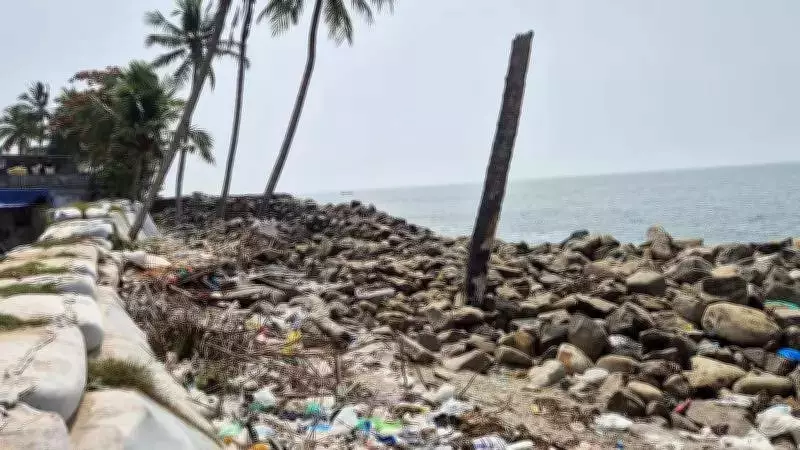
Residents point to the existing, partly damaged seawall near Kannamaly as evidence of the area's vulnerability and the urgent need for robust, continuous infrastructure. Pushpi Joseph of Kattiparambu voiced a common frustration: "We heard the wall would extend to Manassery, but so far there are only promises." According to locals, officials had conducted site measurements and even promised that construction would commence in November, yet no tangible progress has been observed, leaving the community in a state of anxious anticipation.
The logistical and emotional toll of the flooding is severe. Preme Vironi, another affected resident, highlighted the impossible choice families face: "We can't leave the house during flooding because returning later means more damage. So, we stay and clean as the water recedes," she said, describing a strategy of resilience born out of necessity rather than preference.
A History of Hollow Assurances
For many, like Mary Michael, whose husband is a fisherman, the government's latest approval feels like a familiar refrain. "Repeated assurances over the past three years have not translated into action. Funds are good, but promises alone won't help. We don't think work will start before elections," she stated, linking the project's timeline to political cycles and expressing doubt about immediate implementation.
This sentiment of institutional neglect has fueled sustained community action. V T Sebastian, general convener of the Chellanam–Kochi Janakiya Vedi, emphasized the length of their struggle: "Residents have protested for over 2,000 days and will continue until construction begins." This prolonged agitation underscores the critical nature of the seawall for the community's safety and livelihood, framing the Rs 404 crore sanction not as a solution, but as a test of governmental credibility that has yet to be passed.
The approval of the Chellanam seawall project's second phase represents a major financial and policy commitment from the Kerala government. Yet, for the residents of Kochi's coastal belts, the measure of success will not be in budgetary allocations or official announcements, but in the sight of construction crews and the rising concrete barriers that promise to finally hold back the sea.