

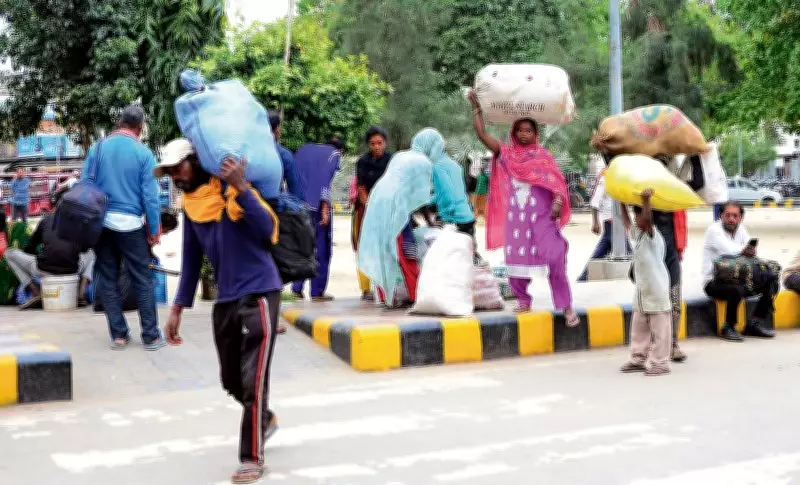
The Tribune Impact: LPG Relief for Migrant Workers in Punjab
In a significant move aimed at alleviating the financial strain on migrant workers, the Punjab government has directed gas agencies across the state to supply smaller LPG cylinders. This directive comes in direct response to a recent investigative report by The Tribune, which highlighted the struggles faced by migrant communities in accessing affordable cooking fuel.
Addressing a Critical Need
The initiative focuses on providing 5-kilogram cylinders, which are more manageable and cost-effective for migrant laborers who often live in temporary accommodations or shared spaces. Previously, many of these workers were forced to rely on larger, more expensive cylinders or resort to unsafe alternatives like firewood or kerosene due to the high upfront cost and logistical challenges of standard 14.2-kilogram cylinders.
This policy shift is expected to benefit thousands of migrant families, particularly those employed in sectors such as construction, agriculture, and manufacturing, who frequently move for work and lack permanent addresses or documentation required for traditional LPG connections.

Implementation and Oversight
Authorities have issued clear instructions to all licensed gas agencies to ensure the availability of these smaller cylinders and to streamline the distribution process. Key measures include:
- Mandating agencies to maintain adequate stock of 5-kg cylinders.
- Simplifying the verification process for migrants, reducing bureaucratic hurdles.
- Setting up dedicated counters or mobile units in areas with high migrant populations.
- Monitoring compliance through regular inspections and feedback mechanisms.
The move is part of broader efforts to promote clean energy usage and improve living standards among vulnerable groups. By making LPG more accessible, it also aims to reduce health risks associated with indoor air pollution from traditional fuels.
Broader Implications and Future Steps
This development underscores the power of media advocacy in driving policy changes. The Tribune's report shed light on a pressing issue, prompting swift action from the government. Stakeholders, including migrant rights organizations and energy experts, have welcomed the decision, noting its potential to enhance social welfare and economic inclusion.
Looking ahead, officials plan to collaborate with NGOs and community leaders to raise awareness about the initiative and ensure its effective rollout. There are also discussions about expanding similar relief measures to other disadvantaged groups, such as low-income households and students living in hostels.
In conclusion, the directive to supply smaller LPG cylinders marks a positive step toward supporting migrant workers in Punjab, offering them a practical solution to a daily challenge while advancing public health and environmental goals.






