

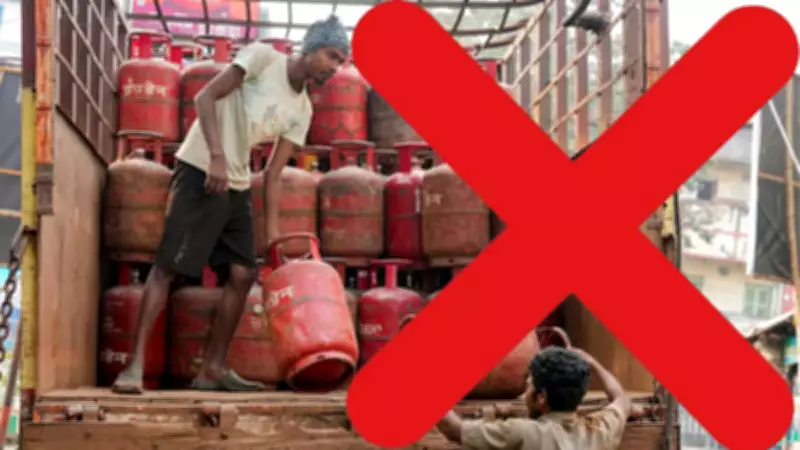
Government Mandates PNG Adoption, Threatens LPG Disconnection for Non-Compliance
The Indian government has issued a significant directive that could impact millions of households across the country. According to a recent order, households with access to Piped Natural Gas (PNG) infrastructure will face discontinuation of their Liquefied Petroleum Gas (LPG) supply if they refuse to make the switch. This move is part of a broader strategy to promote cleaner and more efficient fuel usage in residential areas.
Details of the Government Order
The order, dated March 25, 2026, explicitly states that LPG distributors are authorized to cut off supply to households that decline the PNG switch despite its availability in their locality. This policy aims to accelerate the transition to PNG, which is considered safer, more convenient, and environmentally friendly compared to traditional LPG cylinders.
Key provisions include:

- Households must switch to PNG where the pipeline network is operational.
- LPG supply will be terminated for non-compliance after a specified notice period.
- Exceptions may apply in cases of technical or logistical constraints.
Rationale Behind the Push for PNG
Government officials emphasize that this measure is driven by multiple factors. PNG reduces the risk of accidents associated with LPG cylinder handling, such as leaks or explosions. It also offers a continuous supply without the hassle of booking and waiting for refills. From an environmental perspective, PNG burns cleaner, contributing to lower carbon emissions and improved air quality in urban and semi-urban areas.
"This order is a step towards modernizing India's energy consumption patterns and ensuring household safety," a senior official commented. The government has been expanding PNG infrastructure under various schemes, and this directive seeks to maximize utilization of these investments.
Impact on Households and Implementation Challenges
While the order mandates compliance, it acknowledges potential hurdles. Some households may face high initial costs for PNG connection installation, though subsidies and financing options are often available. Additionally, rural or remote areas with limited PNG infrastructure are not immediately affected, as the rule applies only where PNG is readily accessible.
Consumer groups have expressed mixed reactions. Supporters highlight the long-term benefits of PNG, including cost savings and convenience. Critics, however, raise concerns about forced transitions and the financial burden on low-income families. The government has assured that awareness campaigns and support mechanisms will be rolled out to facilitate a smooth shift.
Broader Context and Future Outlook
This policy aligns with India's commitments to sustainable development and energy security. By reducing reliance on LPG imports and promoting domestic PNG networks, the government aims to enhance energy independence. The order is expected to be implemented in phases, with urban centers prioritized due to existing PNG coverage.
In summary, the government's firm stance on PNG adoption underscores a strategic shift in residential fuel policy. Households are urged to assess their options and comply to avoid disruptions in their cooking gas supply, marking a pivotal moment in India's journey towards cleaner energy solutions.






