

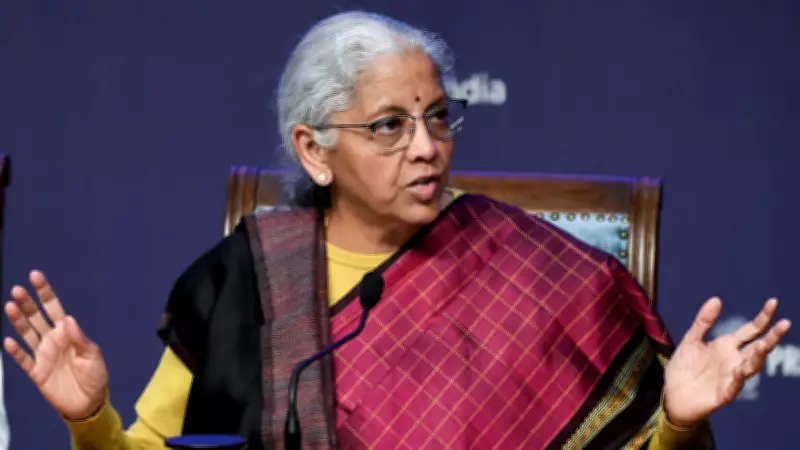
Finance Minister Unveils Mahatma Gandhi Gram Swaraj Scheme Amid MGNREGA Renaming Controversy
In a significant move aimed at revitalizing India's traditional rural industries, the Finance Minister announced the launch of the Mahatma Gandhi Gram Swaraj scheme on Sunday. This initiative is designed to strengthen khadi, handloom, and handicrafts sectors, providing a robust framework for their growth and global integration.
Global Market Linkage and Branding for Rural Artisans
Speaking about the scheme, the Finance Minister emphasized its potential to enhance global market linkage and branding. She highlighted that the program will streamline and support various aspects of production, including training, skilling, and quality control. This comprehensive approach is expected to benefit weavers, village industries, the One-District-One-Product initiative, and rural youth, fostering sustainable economic development in rural areas.
Opposition Protests MGNREGA Renaming
The announcement comes amid a heated controversy over the renaming of the Mahatma Gandhi National Rural Employment Guarantee Act (MGNREGA) to the Viksit Bharat Guarantee for Rozgar and Ajeevika Mission Gramin (VB-G RAM G Bill). Opposition parties have strongly protested this change, arguing that it undermines the legacy of the Father of the Nation. The renaming has sparked debates on the political implications and the preservation of historical significance in government schemes.

Budget 2026: Textile Sector Initiatives
In addition to the Gram Swaraj scheme, the Finance Minister proposed several key initiatives for the labour-intensive textile sector in Budget 2026-27. These include:
- Mega Textile Parks in Challenge Mode: Aimed at bringing value addition to the textiles sector through innovative approaches.
- National Fibre Scheme: Focused on achieving self-reliance in natural fibres such as silk, wool, and jute, as well as man-made and new-age fibres.
- Textile Expansion and Employment Scheme: Designed to modernize traditional clusters with capital support for machinery, technology upgradation, and common testing and certification centres.
- National Handloom and Handicraft Programme: Intended to integrate and strengthen existing schemes, ensuring targeted support for weavers and artisans across the country.
These measures are part of a broader strategy to boost employment, enhance productivity, and promote India's textile heritage on the global stage. The Budget 2026 has also drawn criticism from some quarters, with West Bengal Chief Minister Mamata Banerjee slamming it as having "nothing for the common man" and labeling it a "Humpty Dumpty" budget, reflecting ongoing political tensions over fiscal policies.






