Medigadda Barrage Declared Highest Risk Dam in India by Safety Authority
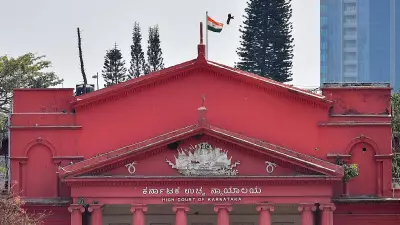
The Medigadda barrage, a crucial component of Telangana's flagship Kaleshwaram lift irrigation scheme (KLIS), has been identified by the National Dam Safety Authority (NDSA) as the irrigation project with the most serious safety deficiencies in the entire country. This classification raises significant concerns about the structure's long-term stability and operational viability.
Highest Risk Category Classification
Following comprehensive post-monsoon inspections of 1,681 specified dams across India in 2025, the NDSA has placed Medigadda under Category I—the highest risk classification available. The authority has explicitly warned that unresolved deficiencies could potentially lead to catastrophic failure if not addressed promptly.
Union Minister of State for Jal Shakti, Raj Bhushan Choudhary, disclosed this critical assessment in a written reply to the Lok Sabha on Thursday. The minister was responding to questions raised by TDP MPs G Lakshminarayana and Byreddy Shabari regarding the safety of dams older than fifty years across the nation.

Specific Recommendations for Reconstruction
The NDSA has recommended complete removal and reconstruction of block 7 of the Medigadda barrage, where several piers experienced sinking in October 2023. This dramatic recommendation comes alongside additional remedial measures proposed by the safety authority.
Similar safety interventions have also been advised for two other barrages within the Kaleshwaram project—Sundilla and Annaram. The Telangana government is currently in the process of finalizing a consultant who will prepare the required designs for these extensive repair and reconstruction works.
Political Context and Historical Background
The sinking of a portion of the Medigadda barrage became a major election campaign issue during the 2023 state elections. Opposition parties, including the Congress and BJP, used the incident to launch attacks against the then-ruling BRS government. Both parties cited the structural failure as evidence supporting their allegations of large-scale corruption within the Kaleshwaram project.
During the heated campaign, Congress leader and present Chief Minister A Revanth Reddy made serious allegations against former Chief Minister K Chandrasekhar Rao's family, claiming they had profited from the massive irrigation project. Reddy ridiculed Rao's claims that Kaleshwaram represented the world's largest lift irrigation project, pointing to submerged pumps worth hundreds of crores and questioning the project's overall durability and accountability.
Broader Dam Safety Framework
Providing additional context to the assessment, Union Minister Choudhary explained that the NDSA had compiled detailed information about all 1,681 dams in India that are over fifty years old. Under the provisions of the Dam Safety Act, 2021, primary responsibility for dam safety, operation, and maintenance rests with dam owners, which in most cases are state governments.
The legislation mandates that every specified dam must undergo both pre-monsoon and post-monsoon inspections annually. According to compliance reports, dam-owning agencies conducted pre-monsoon inspections on 6,524 dams and post-monsoon inspections on 6,553 dams during 2025.
"As an outcome of pre-monsoon and post-monsoon inspections, dams are being categorised into three categories on the basis of urgency of repairs and maintenance," the minister elaborated in his parliamentary response.
Other High-Risk Dams Identified
Apart from the Medigadda barrage, the NDSA has placed two other structures in the highest risk Category I classification:
- Lower Khajuri dam in Uttar Pradesh
- Bokaro barrage in Jharkhand
Minister Choudhary emphasized the seriousness of Category I classification, stating: "Category I dams have serious safety concerns and vulnerabilities that pose significant risks and demand urgent intervention to ensure their continued safe operation. Of these, the Medigadda barrage in Telangana has been asked to implement preventive and mitigating measures recommended by the NDSA to safeguard the structure's integrity and resilience."

The Medigadda barrage, designed to irrigate extensive agricultural areas across Telangana, has been under intense technical and political scrutiny since the October 2023 incident. The structure has undergone multiple safety audits and technical investigations, with the latest NDSA assessment representing the most authoritative safety evaluation to date.