

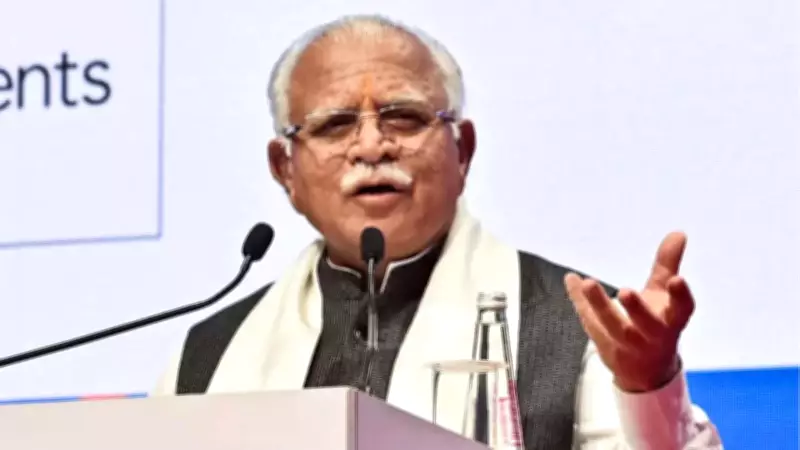
Union Minister Manohar Lal Calls for Accelerated Energy Transition Amid Global Uncertainties
Union Power Minister Manohar Lal on Friday highlighted the critical importance of energy security and advocated for a significant shift towards electricity usage, as global fossil fuel supplies face mounting pressure due to ongoing conflicts in West Asia. Speaking at the national power ministerial meet during the Bharat Electricity Summit 2026 in New Delhi, Lal stressed the need for enhanced coordination between the central government and states to ensure affordable, efficient power generation, transmission, and distribution across India.
Addressing Energy Security and Global Supply Strains
The Ministry of Power released a statement noting that Lal underscored the urgency of bolstering energy security in light of global uncertainties. He pointed to the squeeze on energy supplies resulting from the West Asia conflict, which has prompted government recommendations for adopting induction plates for cooking to reduce reliance on traditional fuels. This move aims to mitigate the impact of volatile international energy markets on domestic consumers.
Boosting Per Capita Energy Consumption and Renewable Integration
Minister Lal emphasized the necessity of increasing India's per capita energy consumption, which currently stands at 1,460 kWh (1.5 MWh), significantly below the global average of nearly 3.8 MWh. For context, developed economies such as Canada (15.5 MWh), the United States (12.7 MWh), South Korea (12 MWh), Russia, and Japan (8.3 MWh) far exceed India's levels. The government has set ambitious targets: projecting annual per capita consumption to reach 2 MWh by 2030 and over 4 MWh by 2047, aligning with broader economic development goals.

On the integration of renewable energy into power generation and consumption, Lal identified nuclear energy as a crucial source of clean power. He hailed the SHANTI Act, which permits private participation in a government-regulated sector, as a pivotal step toward achieving India's net-zero emissions target by 2070. As part of this initiative, the government is pushing for at least one nuclear power project in each state, with Lal assuring full central support for implementing necessary legal and administrative reforms.
Technological Advancements and State Collaboration
Minister of State for New and Renewable Energy Shripad Naik, who co-chaired the meeting, highlighted the transformative role of technology and Artificial Intelligence in the power sector. He cited smart metering as a key example of how innovation can enhance efficiency and reliability in energy distribution. This focus on technological integration complements the broader call for state-center coordination to streamline power infrastructure and promote sustainable energy practices nationwide.
The discussions at the summit reflect a comprehensive approach to addressing India's energy challenges, combining policy reforms, technological adoption, and international cooperation to secure a stable and green energy future.






