Prime Minister Narendra Modi Lauds Union Budget 2026 as Transformative Blueprint
Prime Minister Narendra Modi on Sunday enthusiastically endorsed the Union Budget 2026, describing it as a "highway of immense opportunities" that will propel India's ongoing reform journey. He emphasized that the "Reform Express" on which the nation is advancing will receive fresh energy and momentum from the comprehensive proposals unveiled by Finance Minister Nirmala Sitharaman.
Historic Budget Presentation and Women Empowerment
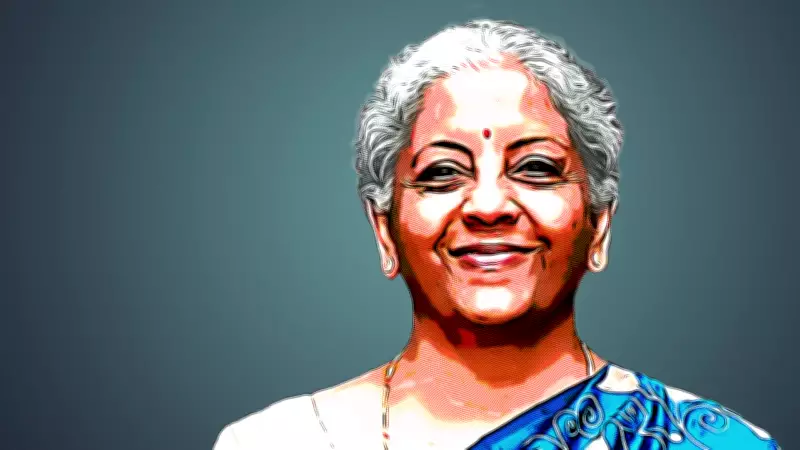
In his remarks, Prime Minister Modi celebrated Finance Minister Nirmala Sitharaman's remarkable achievement of presenting her ninth consecutive Union Budget, a record for a woman finance minister. He characterized the Budget as "historic" and a powerful testament to India's "Nari Shakti" (women power). The Budget, anchored around three core duties—accelerating economic growth, meeting aspirations, and ensuring equitable access to resources—sets a visionary path for national development.
Key Winners and Losers in Budget 2026
The Budget 2026-27 outlines significant allocations and policy shifts across various sectors, creating distinct winners and losers. Here is an overview of the top beneficiaries and those facing challenges:

Top 5 Winners
- Poll-Bound States: With elections scheduled in Assam, West Bengal, Tamil Nadu, Kerala, and Puducherry, the Budget includes targeted announcements. These range from a dedicated freight corridor for West Bengal to rare-earth corridors in Tamil Nadu, turtle trails in Kerala, and infrastructure upgrades in Assam, reflecting strategic regional focus.
- Tourism Sector: Tourism is positioned as a cornerstone of a "Viksit Bharat" (Developed India). Proposals include developing 15 archaeological sites into cultural destinations, creating Buddhist circuits in northeastern states, and promoting eco-tourism through sustainable mountain trails and wildlife trails.
- Pharmaceuticals and Healthcare: A substantial investment of Rs 10,000 crore over five years aims to boost the biopharma sector. Additionally, plans for regional medical hubs, upgraded Allied Healthcare Professional institutions, and caregiver training underscore a strengthened healthcare ecosystem.
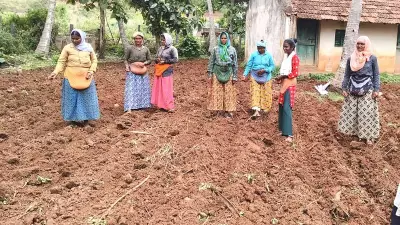
- Women Entrepreneurs: Building on the Lakhpati Didi programme, the Budget introduces "Self Help Entrepreneur (SHE) Marts" to enhance market access for women-led self-help groups, fostering entrepreneurship and sustainable livelihoods.
- Textiles Industry: An integrated programme, including a National Fibre Scheme and mega textile parks, seeks to modernize the labour-intensive sector, promote sustainability, and expand employment opportunities.
Top 5 Losers
- Financial Markets: Equity markets experienced sharp declines following a proposed hike in Securities Transaction Tax (STT) on futures and options trades, raising transaction costs and triggering sell-offs.
- Traders and Brokerages: The increased STT rates adversely affected trading activities, leading to significant losses for brokerage firms and market infrastructure entities like BSE Ltd.
- Corporate Promoters: A major overhaul of buyback taxation imposes higher effective rates on promoters to curb tax arbitrage, potentially influencing capital allocation decisions between buybacks and dividends.
- State-Owned Banks: Public sector banks faced pressure due to the absence of expected consolidation signals and a record government bond supply plan, which could impact treasury gains and stock performance.
- International Projects: Overseas development assistance saw shifts, with zero funding allocated for Iran's Chabahar port project and reduced aid to Bangladesh, despite previous commitments and agreements.
Infrastructure and Regional Development Highlights
The Budget emphasizes robust infrastructure development, including:

- Seven high-speed rail corridors connecting major cities like Mumbai-Pune, Hyderabad-Bengaluru, and Delhi-Varanasi.
- An integrated East Coast Industrial Corridor with a node at Durgapur to spur regional growth.
- Allocations for Tier 2 and Tier 3 city infrastructure, particularly in Assam, and upgrades to mental health institutes.
Sustainable and Inclusive Growth Focus
Finance Minister Nirmala Sitharaman's proposals underscore a commitment to sustainability and inclusivity. Initiatives such as eco-tourism trails, green cargo corridors, and community-led retail outlets align with broader goals of environmental conservation and social equity. The Budget's holistic approach aims to balance economic advancement with ecological and societal well-being, positioning India for long-term prosperity.