Nashik's 7MW Solar Project Powers 1,316 Farm Pumps Under Maharashtra Scheme
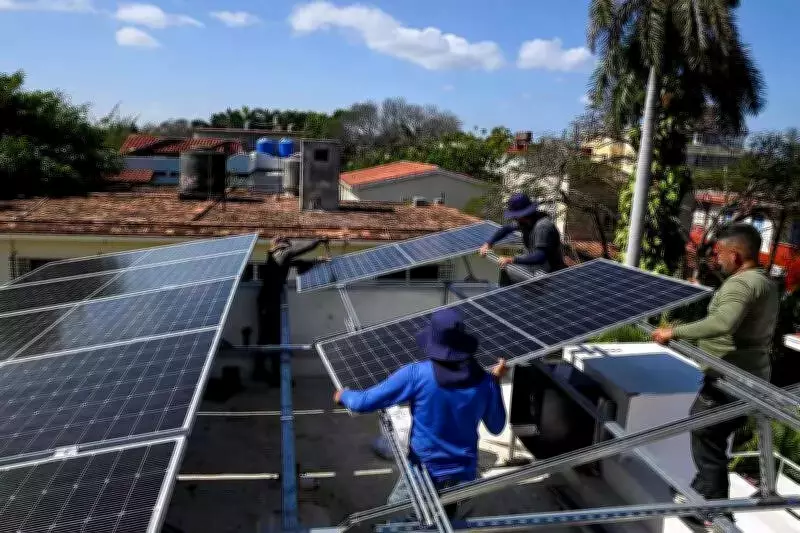
A significant 7-megawatt solar power project has been inaugurated at the Bhaur power substation in Deola taluka of Nashik district. This initiative falls under the Maharashtra State Government's "Mukhyamantri Saur Krushi Vahini Yojana 2.0" (Chief Minister Solar Agricultural Feeder Scheme), designed specifically to deliver an assured daytime electricity supply for agricultural activities.
Project Structure and Immediate Impact
The project was strategically divided into two operational units to maximize efficiency and coverage:
- A 4MW solar facility located at Vithewadi
- A 3MW solar facility situated at Bhaur
Collectively, these installations are set to provide a steady, uninterrupted, and assured daytime electricity supply to 1,316 agricultural pumps spread across the Vithewadi, Bhaur, and Bagdu regions. This development marks a transformative shift for local farmers who have historically faced significant challenges due to irregular power availability.

Ending Nighttime Farming Challenges
For many years, farmers in these areas were compelled to tend to their crops during late-night hours because of restrictive power scheduling that often allocated electricity only during off-peak periods. This practice not only disrupted their daily lives but also posed safety risks and reduced overall agricultural efficiency.
The transition to solar power ensures that farmers can now work safely and efficiently during daylight hours, aligning agricultural operations with natural circadian rhythms and significantly improving working conditions. The reliable daytime power eliminates the need for nighttime irrigation and other farming activities, potentially boosting crop yields and farmer well-being.
Official Inauguration and Strategic Benefits
During the formal inauguration ceremony, Rajendra Pawar, Director of Human Resources for the project, emphasized the dual advantages of the scheme. He stated that the initiative aims to simultaneously bolster agricultural development and farmer prosperity while actively supporting environmental conservation through sustainable energy adoption.
"The government's objective of providing daytime electricity is being successfully realized through these district-wide solar initiatives," Pawar declared, highlighting how this project represents a tangible implementation of policy goals at the grassroots level.
Community Engagement and Future Sustainability
As the Bhaur substation commenced distributing solar-generated electricity to agricultural consumers, officials issued an important appeal to the local community. They urged residents to support Mahavitaran (the state power distribution company) by paying electricity bills promptly and consistently.
This financial cooperation is essential for the utility to maintain high-quality service standards, invest in infrastructure maintenance, and potentially expand similar renewable energy projects to other agricultural regions across Maharashtra. The project demonstrates how government schemes, technological implementation, and community participation can converge to create sustainable solutions for critical sectors like agriculture.