Niti Aayog's Ambitious Plan: 90% Electric Vehicle Target for Private Transport by 2047
India's premier policy think tank, Niti Aayog, is formulating a comprehensive strategy to dramatically increase the adoption of electric vehicles across the country. According to sources familiar with the development, the organization aims to advocate for raising the share of electric vehicles in privately owned cars and two-wheelers to an impressive 90% by the year 2047.
Current EV Landscape and Future Goals
This ambitious target represents a significant leap from the current situation. Data from the government's Vahan registry indicates that electric vehicles accounted for approximately 5.9% of all vehicle registrations in 2025. While this demonstrates steady growth in EV adoption, India still trails behind global leaders like China and various European nations in terms of market penetration.
The proposed plan forms an integral component of a long-term decarbonization roadmap that Niti Aayog intends to launch shortly. This comprehensive strategy will encompass multiple sectors including transport, industry, buildings, agriculture, and power. Furthermore, it will outline pathways to enhance the share of rail and air travel, aligning with India's broader objective of achieving net-zero emissions by 2070.

Expert Insights on EV Adoption Challenges
Industry experts emphasize that achieving high levels of EV adoption in personal vehicles requires addressing several critical factors. Shyamasis Das, Research Fellow and Head of Electric Mobility Research at the Centre for Social and Economic Progress (CSEP), highlights the need for more diverse vehicle models.
"While automakers have introduced multiple electric models of compact sports utility vehicles, there remains a scarcity of options catering to smaller commutes," Das explains. "Smaller EVs, with their reduced battery size and lower cost, could prove particularly appealing to India's price-sensitive middle class."
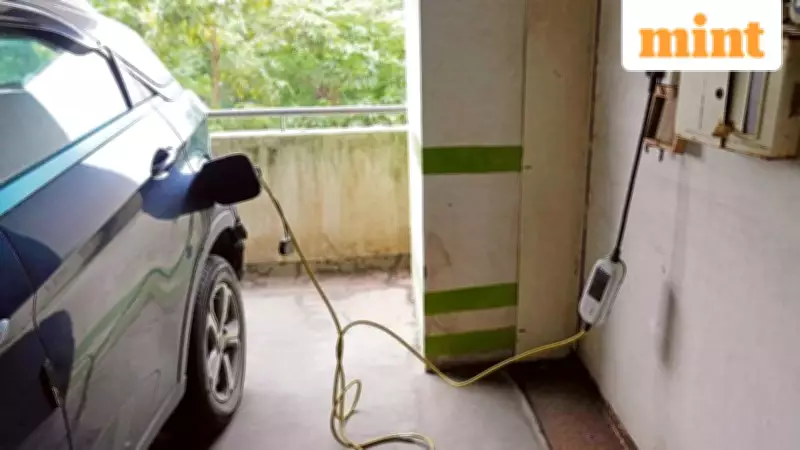
Das also stresses the importance of developing robust after-sales service networks and expanding charging infrastructure both at homes and workplaces. "Merely increasing vehicle sales and installing public chargers won't suffice. Ensuring ease of EV servicing and charging accessibility will be crucial for widespread adoption," he adds.
Strategic Initiatives and Working Groups
In April 2024, Niti Aayog established specialized working groups with a broad mandate to analyze various aspects of the transport sector's evolution. Their responsibilities include:
- Examining how transport demand correlates with GDP growth
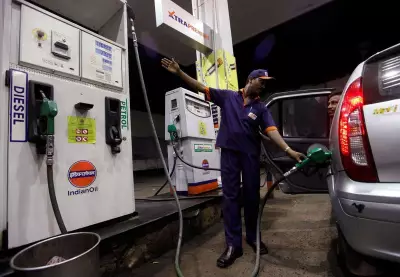
- Assessing the impact of existing policies on electric vehicles and clean fuels like green hydrogen, ethanol, and methanol
- Studying the effects of phased adoption of cleaner fuels on emissions and energy consumption
- Analyzing financing mechanisms to accelerate EV adoption in India
The think tank has also advocated for transitioning from an incentive-based regime to implementing clear mandates and potentially introducing disincentives for fossil fuel vehicles to expedite electrification.
Infrastructure and Affordability Concerns
Sharif Qamar, Associate Director of Transport and Urban Mobility at The Energy and Resources Institute (Teri), identifies several hurdles that India must overcome to achieve high electrification levels. "Charging infrastructure needs to become more viable and widespread," he states, noting that India had 29,151 public EV chargers as of December.
Qamar also emphasizes the necessity of investing in research and development, particularly for green hydrogen technologies in freight transport and buses. "The most significant long-term challenge for India remains the affordability of new technologies. Making electric vehicles more accessible through reduced costs represents the most straightforward approach to boosting adoption," he concludes.
Additionally, experts recommend shifting freight and passenger transport from roads to railways by enhancing infrastructure through dedicated freight corridors and multi-modal parks.

Industry Response and Future Scenarios
The report is expected to present various scenarios, including one where India continues with business-as-usual approaches and another where the country implements all policies aligned with its net-zero by 2070 target. Consultations with original equipment manufacturers (OEMs) have been conducted as part of this study.
Queries sent to numerous automotive companies including Maruti Suzuki, Tata Motors, Hyundai, Kia, MG Motor, Hero MotoCorp, Bajaj Auto, Ather Energy, and Ola Electric remained unanswered at the time of reporting.
India's long-term strategic roadmap for the automobile sector will also involve mapping the life-cycle carbon emissions of every vehicle segment to facilitate future discussions on emission norms.