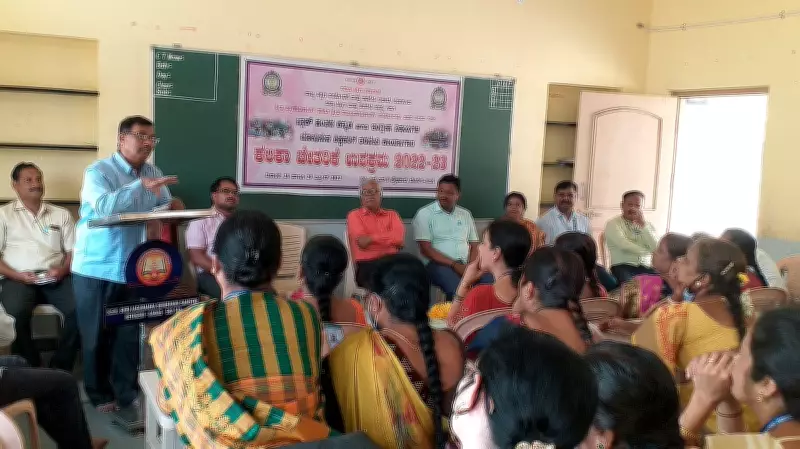
The Niti Aayog has praised the 'Kalika Chetarike' initiative undertaken by the Karnataka government, highlighting its role in transforming classroom instruction for students from Class 1 to Class 9. According to a report released by the Niti Aayog, the program redesigns teaching around clearly defined competencies rather than traditional textbook-based syllabi. This marks a significant systemic shift towards competency-based learning (CBL) in the state's education system.
What is 'Kalika Chetarike'?
'Kalika Chetarike' is an educational reform program implemented by the Karnataka government. It aims to move away from rote learning and textbook-centric teaching methods. Instead, the initiative focuses on ensuring that students acquire specific competencies at each grade level. The program covers all core subjects and is designed to be flexible, allowing teachers to adapt instruction to the learning needs of each student.
Key Features of the Initiative
- Competency-Based Framework: The curriculum is organized around learning outcomes and competencies that students must master before progressing to the next level.
- Teacher Training: Teachers receive specialized training to implement CBL effectively, including assessment techniques and differentiated instruction.
- Continuous Assessment: Instead of annual exams, students are assessed regularly to track their progress on competencies.
- Remedial Support: Students who struggle with certain competencies receive additional support to ensure mastery.
Niti Aayog's Observations
The Niti Aayog report commends Karnataka for pioneering this shift at scale. It notes that the program addresses foundational learning gaps and prepares students for higher-order thinking skills. The report states, 'The programme redesigns classroom instruction for class 1 to 9 around clearly defined competencies rather than textbook-based syllabi, indicating a systemic shift towards competency-based learning (CBL).' The Aayog also suggests that other states could adopt similar models to improve learning outcomes.

Impact on Students and Teachers
Early feedback from schools indicates that students are more engaged and show better understanding of concepts. Teachers report that the CBL approach allows them to identify learning gaps earlier and provide targeted help. However, challenges remain in terms of infrastructure and training for all schools, especially in rural areas.
Future Prospects
The Karnataka government plans to expand the program to higher classes and integrate digital tools for assessment. The Niti Aayog's endorsement is expected to boost the state's efforts and encourage other regions to explore competency-based models. As India focuses on improving educational quality, initiatives like 'Kalika Chetarike' serve as a blueprint for reform.