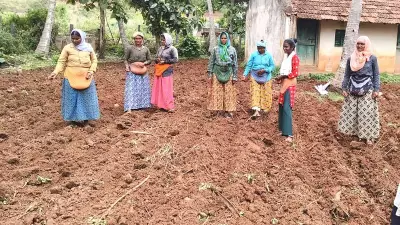
In a remarkable environmental turnaround, the Watershed Development and Soil Conservation Department's implementation of Prime Minister Krishi Sinchai Yojana 2.0 in Rajgarh, Alwar district, has yielded transformative results for groundwater resources over a two-year period. The comprehensive rainwater conservation initiatives across this region have sparked a significant hydrological recovery, bringing relief to communities long plagued by water scarcity.
Infrastructure Driving Groundwater Recharge
Officials have detailed how multiple water conservation structures have collectively contributed to this groundwater revival. The project deployed an impressive array of infrastructure including anicuts, pucca check dams, mini percolation tanks, Amrit Sarovar, johads, recharge shafts, ECD, and farm ponds. This multi-pronged approach has created a synergistic effect, capturing and percolating rainwater that previously would have run off or evaporated.
From Dry Wells to Overflowing Water Sources
The most visible evidence of success comes from wells that had remained completely dry for approximately two decades. These same water sources now reportedly overflow during rainy periods, marking a dramatic reversal of fortune for local residents. Farmers and households can now access water from wells at depths of about 10 feet for both drinking purposes and irrigation needs.

Agricultural communities have expressed profound gratitude to Prime Minister Narendra Modi for the scheme, recognizing its direct impact on their livelihoods and water security. The psychological shift from water anxiety to water abundance represents a fundamental change in quality of life for these rural populations.
Quantifiable Groundwater Improvement
According to data from the Groundwater Survey Department, the numerical evidence underscores this transformation. The pre-monsoon survey conducted in the Rajgarh sub-division area during 2024 recorded a groundwater level of 39.26 metres below ground level. Following monsoon rains and the continued effect of conservation structures, the post-monsoon survey of 2024 showed this level had improved to 18.87 metres.
This represents a substantial improvement of 20.39 metres in groundwater elevation, a figure that exceeds expectations for such projects. In six specific gram panchayats, officials report that groundwater levels have risen so significantly that they have reached ground level and even overflowed in certain locations.
Agricultural Impacts and Adjustments
The water resurgence has created both opportunities and challenges for local agriculture. In some fields located near anicuts, the excess moisture initially prevented farmers from sowing kharif and rabi crops as planned. This temporary setback, however, reflects the success of water retention efforts. Some adaptable farmers later sowed wheat crops after their fields had sufficiently dried, demonstrating agricultural resilience in response to changing water conditions.
Project Scope and Implementation
The work under the PMKSY 2.0 Watershed Component commenced in 2022 across 22 villages spanning multiple gram panchayats including Sakat, Bigauta, Toda Jaysingh Pura, Nathalwada, and Kundla Rajpura Bada. The department implemented a comprehensive ridge to valley treatment approach covering an extensive area of 5,032 hectares.
This systematic watershed management strategy ensures that water is captured at higher elevations and gradually released downstream, maximizing infiltration and minimizing erosion. The project represents a model of integrated water resource management that could potentially be replicated in other water-stressed regions across India.
The success in Alwar's Rajgarh area demonstrates how targeted government schemes, when properly implemented with appropriate technical interventions, can reverse environmental degradation and create sustainable water security for agricultural communities.