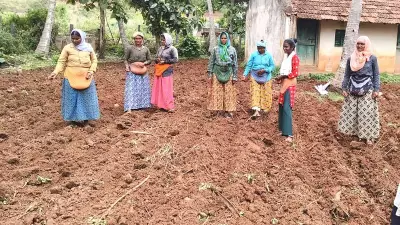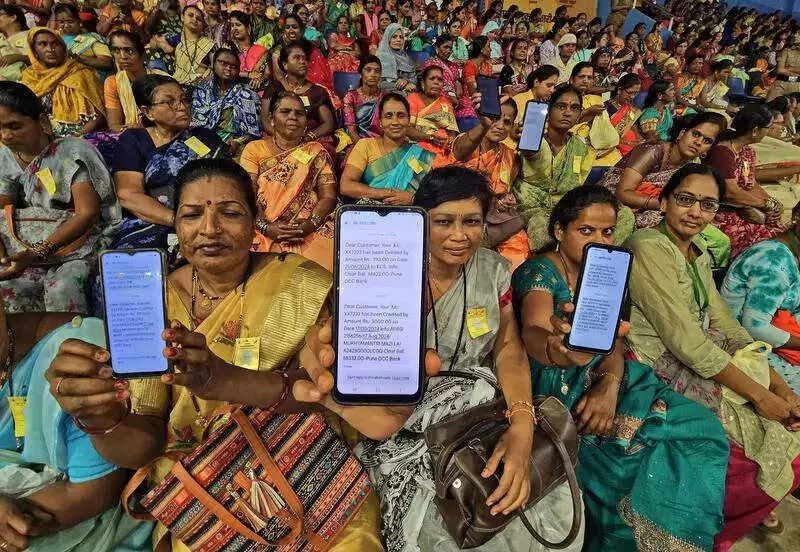
In a significant administrative error affecting welfare schemes, approximately 2.5 lakh beneficiaries of the Ladki Bahin scheme in Pune district have been incorrectly classified as belonging to families of government employees due to a flaw in the electronic Know Your Customer (e-KYC) process. This mistake has resulted in the abrupt halt of their monthly financial assistance of Rs 1,500, causing distress among thousands of women reliant on this support.
Statewide Impact and Verification Drive
Officials from the women and child development (WCD) department have revealed that the issue is not confined to Pune alone. Statewide, an estimated 24 lakh women have been similarly affected by this e-KYC classification error. The scale of the problem became apparent during routine data scrutiny, with authorities noting that Maharashtra has only eight to nine lakh government and semi-government employees, making the high number of beneficiaries flagged as government employee families statistically improbable.
Massive Physical Verification Effort Launched
To address this widespread error, the WCD department has initiated a comprehensive physical verification drive across Maharashtra. In Pune district specifically, about 6,000 anganwadi workers have been assigned the critical task of personally verifying these 2.5 lakh affected beneficiaries. The workforce distribution includes 4,395 workers covering rural areas and 1,600 workers deployed in urban pockets.

These frontline workers are undertaking door-to-door visits to check e-KYC details, fill out verification forms, and submit detailed reports. The collected documentation will undergo rigorous scrutiny by district WCD department officials before being forwarded to the state government for final approval and restoration of payments.
The Root Cause: A Confusing Double Negative
The problem originated from a poorly worded question in the Marathi language e-KYC form that used a confusing double negative structure. The question "Tumchya gharatle koni sarkari nokrit nahi na?" translates to "Nobody in your family works for the government, right?" Many beneficiaries who should have logically answered 'no' (indicating no government employee in the family) mistakenly marked 'yes.' The system interpreted this affirmative response as confirmation of a government employee being present in the household and automatically triggered payment stoppages.
Beneficiary Concerns and Delays
Despite the verification efforts, beneficiaries express growing concerns about further payment delays. One woman from Paud highlighted the practical challenges, stating, "If the portal had been opened for corrections, we could have rectified the mistake ourselves. Now, the anganwadi worker must visit, collect documents, submit reports, and await approvals. I haven't received payments for three to four months, and this new process might extend the wait even longer."
This sentiment reflects broader anxiety among affected women who depend on this financial assistance for their daily needs and household expenses.
Government Response and Grievance Mechanisms
State Women and Child Development Minister Aditi Tatkare addressed the situation in a social media post on January 20, confirming that anganwadi workers would conduct door-to-door verification to correct entries and restore payments to eligible women. The department has also launched a dedicated helpline (181) to address beneficiary grievances.
However, implementation challenges persist. Several beneficiaries have reported difficulties with the helpline, noting that calls often fail to connect or provide clear solutions to their specific problems. This communication gap adds another layer of frustration for women already dealing with interrupted financial support.
Broader Implications for Digital Governance
This incident raises important questions about the implementation of digital welfare schemes and the need for clearer, more user-friendly interfaces in regional languages. The confusion caused by linguistic nuances in official forms demonstrates how even minor translation issues can have major consequences for vulnerable populations.

As Maharashtra works to rectify this large-scale error, the episode serves as a cautionary tale for other states implementing similar digital welfare initiatives, emphasizing the importance of thorough testing and user validation before rolling out critical benefit programs.