Rajya Sabha MP Raghav Chadha Calls for Blockchain-Based Land Registry in India
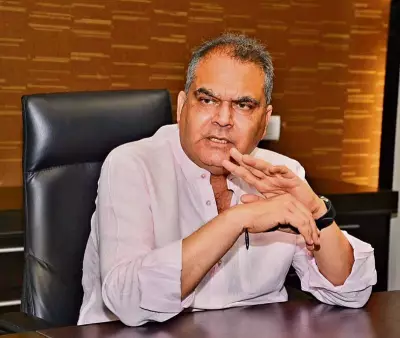
During the Budget discussion in the Upper House of Parliament on 9 February, Aam Aadmi Party MP Raghav Chadha strongly urged the government to implement a blockchain-based system for all land and property records across India. He argued that this technological shift would ensure faster resolution of property disputes and significantly enhance compliance in property tax collection, among numerous other benefits.
Chaos in Current Land Record System
Chadha described the existing land records in India as being in a state of utter chaos. He stated that ordinary citizens are forced to run from pillar to post at various registrar offices, while dalals and middlemen exploit the system for their gain. The MP emphasized that adopting blockchain technology could effectively address long-standing issues plaguing the property sector.
These problems include the misuse of circle rates for facilitating cash transactions, ongoing leakages in property tax revenue, a growing number of cases involving fake documents and encroachments, and endless disputes over land titles that drag on for years.

Alarming Statistics on Land Disputes
Citing available data, Chadha noted that land-related issues account for approximately 66% of all civil disputes in India. The average resolution time for these disputes is a staggering seven years, although he did not disclose the specific source of these statistics. He further highlighted additional concerning figures, pointing out that 45% of properties in the country lack a clear title, and 48% are already embroiled in some form of dispute.
Chadha also referenced India's poor ranking of 133 out of 190 countries in property registration efficiency. He lamented that even a simple property sale transaction can take anywhere from two to six months to complete under the current system. Furthermore, he revealed that around 6.2 crore property documents are still pending digitization, indicating a significant backlog in modernizing records.
Proposal for a National Blockchain Property Register
Taking note of these systemic failures, Chadha made a compelling case in Parliament for the establishment of a National Blockchain Property Register. He pointed to successful international examples, such as Sweden, Georgia, and the United Arab Emirates, which have already demonstrated the transformative potential of blockchain technology in land administration.
In these countries, transactions can be completed in mere minutes, and dispute rates have fallen sharply following implementation. Chadha explained that such a blockchain-based system would be time-stamped, tamper-proof, and fully transparent. It would enable instant verification of property titles and allow for clean, real-time tracking of every sale, mutation, and inheritance event.
"India must move from chaos to clarity. From a land record system that creates obstacles to one that prevents them," Chadha asserted during his parliamentary address.
Broader Context of Real Estate Modernization
In line with these broader efforts to modernize India's property ecosystem, the Reserve Bank of India (RBI) has also proposed allowing banks to lend to Real Estate Investment Trusts (REITs). This regulatory move is expected to lower funding costs for real estate projects, support long-term growth in the sector, and potentially enhance returns for unitholders. Chadha's push for blockchain integration represents a complementary technological advancement aimed at bringing greater efficiency, transparency, and trust to the foundational layer of property ownership and records in India.