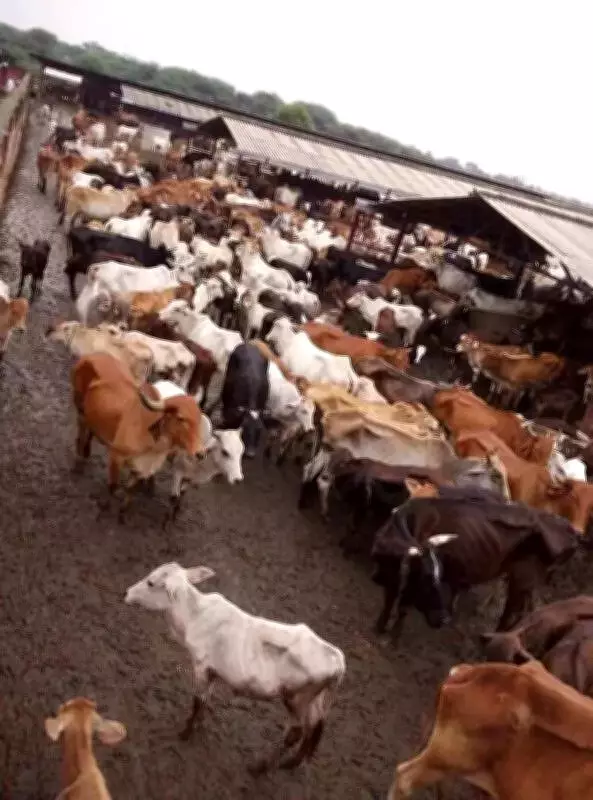
In a significant financial disclosure, the Rajasthan government has revealed that a substantial revenue stream was generated through a specific surcharge on liquor sales, with the funds being strategically allocated to support animal welfare initiatives across the state. The details were presented in the state Assembly in Jaipur, highlighting a robust fiscal mechanism that has bolstered conservation efforts.
Substantial Revenue from Liquor Surcharge
According to official figures shared in the Assembly, a 20% surcharge levied on liquor sales in Rajasthan yielded impressive returns over the financial years 2023–24 and 2024–25. In the first year, 2023–24, the surcharge generated Rs 631.04 crore, followed by an increase to Rs 749.66 crore in 2024–25. This cumulative income from the levy amounted to Rs 1,380.70 crore over the two-year period, demonstrating a steady and growing revenue source for the state.
Financial Assistance to Gaushalas and Cattle Conservation
The proceeds from this surcharge were not retained as general revenue but were specifically directed towards extending financial assistance to gaushalas and supporting cattle conservation activities. In 2023–24, the disbursement to gaushalas stood at Rs 1,122.86 crore, which saw a rise to Rs 1,216.28 crore in 2024–25. Over the two years, the total financial support provided for gaushala maintenance and cattle protection initiatives crossed the Rs 2,340 crore mark, underscoring a significant commitment to animal welfare.

Clarifications on Fund Allocation
During the Assembly session, it was clarified in a written reply to a question raised by Congress MLA Rafeek Khan that no separate amount was collected as a surcharge specifically earmarked for de-addiction or anti-intoxication purposes. Instead, the government explained that assistance to gaushalas was facilitated under the Gosamvardhan and Conservation Fund Rules, 2016, which were amended in 2021. This framework allows for the pooling of revenue from various sources, including stamp duty and applicable surcharges, with the excise surcharge on liquor being a key component.
Implications and Broader Context
This financial strategy highlights how Rajasthan is leveraging specific tax mechanisms to fund critical social and environmental programs. By channeling funds from liquor sales into gaushalas and cattle conservation, the state aims to address animal welfare while generating necessary revenue. The disclosure in the Assembly provides transparency into how these funds are being utilized, ensuring accountability in public spending.
The use of such surcharges reflects a broader trend in fiscal policy where targeted levies are employed to support dedicated causes. In this case, the focus on cattle conservation aligns with cultural and agricultural priorities in Rajasthan, making it a noteworthy example of resource allocation in governance.