

Rural Ministry Spending Plummets to Nine-Year Low in Current Fiscal Year
New government data has revealed a concerning trend in rural development expenditure, with the Ministry of Rural Development recording its lowest budget utilization rate in nine years during the first three quarters of the current fiscal year 2025-26.
Sharp Decline in Budget Utilization
According to official figures from the Controller General of Accounts portal, the ministry managed to spend only 51% of its total budgetary allocation between April and December 2025-26. This represents a significant drop from the 63% utilization recorded during the same period in the previous fiscal year.
In absolute terms, the ministry's expenditure stood at Rs 97,125.88 crore against an overall allocation of Rs 1,90,405.53 crore for the first nine months of FY26. This marks the lowest spending level in the last six years for the ministry that implements crucial poverty alleviation and social security programs across rural India.

Historical Context and Data Limitations
The current figures represent the lowest spending percentage since 2017-18, which is the earliest year for which comparable data is available. Before 2017-18, government accounting followed a different system with separate plan and non-plan expenditure heads, making direct comparisons difficult.
Ministry-wise expenditure details are only available for plan expenditure under the previous accounting system, highlighting the importance of the current data in understanding spending patterns.
Key Schemes Experiencing Slowdown
The expenditure decline has particularly affected several flagship rural development programs:
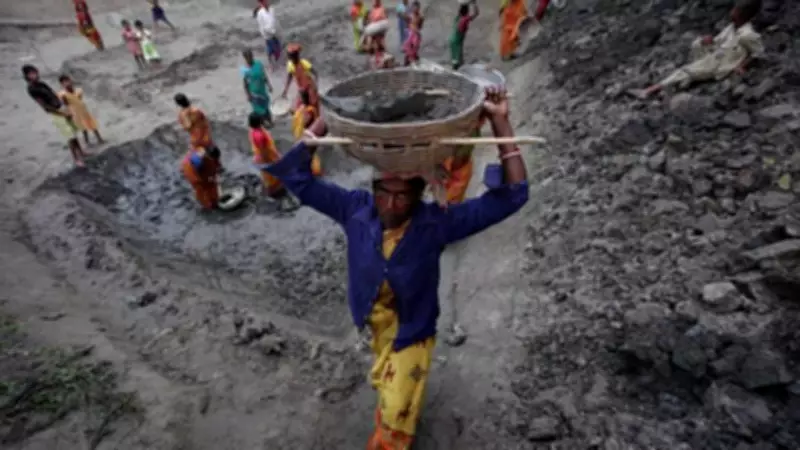
- MGNREGS: Spending dropped to Rs 65,124.44 crore in the first nine months of FY26, compared to Rs 81,037.65 crore during the same period in 2024-25 and Rs 82,343.9 crore in 2023-24.
- PM Awaas Yojana-Gramin (PMAY-G): Allocated Rs 54,831.99 crore for FY26
- PM Gram Sadak Yojana (PMGSY): Allocated Rs 19,000 crore for FY26
Sources indicate that the slowdown in these major schemes has contributed to a downward revision of the ministry's overall budget at the revised estimate stage.
Factors Behind the Spending Decline
Multiple factors appear to be contributing to this significant reduction in expenditure:
- New Spending Norms: The Finance Ministry implemented revised expenditure guidelines in 2023-24, including the SNA SPARSH (Samayochit Pranali Ekikrit Sheeghra Hastaantaran) initiative. This cash management system for Centrally Sponsored Schemes requires states to provide their share of funding before the central government releases its portion.
- Policy Changes: In December 2025, the NDA government enacted the VB—G RAM G Act, 2025, replacing the Mahatma Gandhi National Rural Employment Guarantee Act (MGNREGA), which may have created implementation uncertainties.
- Quarterly Spending Patterns: The Finance Ministry's guidelines discourage "rush expenditure" in the final quarter of the fiscal year, potentially affecting spending patterns throughout the year.
Broader Implications and Ministry Profile
The Rural Development Ministry, comprising the departments of rural development and land resources, accounts for approximately 4.2% of the central government's total expenditure. Beyond the major schemes mentioned, it also implements other important initiatives including:
- Deen Dayal Upadhyaya Grameen Kaushalya Yojana (DDU-GKY)
- National Social Assistance Programme (NSAP)
The current trend of sluggish spending raises concerns about the ministry's ability to fully utilize its allocated budget by the end of the fiscal year. With only 51% utilization in the first three quarters, there is significant pressure to accelerate expenditure in the final quarter while adhering to the Finance Ministry's guidelines against last-minute spending surges.
This development comes at a time when rural development remains a critical priority for the government, with the ministry playing a pivotal role in implementing poverty alleviation, housing, road connectivity, and employment generation programs across India's vast rural landscape.






