Finance Minister Nirmala Sitharaman made a distinctive style statement as she presented the historic Union Budget 2026-27 in Parliament on Sunday, February 1. Her choice of attire—a deep maroon-purple saree with prominent gold zari borders—has drawn attention for its resemblance to the traditional Ilkal sarees from Karnataka.
The Ilkal Saree Connection
Ilkal sarees are renowned for their distinctive grid or check patterns across the body, firm borders, and contrasting pallu. These handwoven silk sarees from the Bagalkot district of Karnataka have been part of India's textile heritage for centuries. While some reports have identified Sitharaman's attire as a Kancheevaram silk saree from Tamil Nadu, the visual characteristics strongly suggest the Ilkal tradition.
Budget Day Fashion as Symbolic Messaging
Nirmala Sitharaman has transformed her Budget Day saree selections into a sophisticated form of symbolic communication over her tenure. Each year, her choice reflects broader economic themes, regional priorities, or policy directions that extend beyond mere fashion.

This tradition began in 2019 when she replaced the conventional budget briefcase with a traditional red bahi khata, wearing a pink Mangalagiri saree that marked a new chapter in budget presentation. Since then, her selections have consistently carried deeper meanings.
Historical Context of Sitharaman's Budget Presentations
Budget 2026 represents several historic milestones. It is the first Union Budget in independent India to be presented on a Sunday, breaking from the conventional weekday schedule. Additionally, this marks Sitharaman's ninth consecutive budget presentation, matching the record previously set by P Chidambaram.
With this presentation, Sitharaman now stands just one budget short of Morarji Desai's all-time record of ten consecutive budgets presented by a finance minister. The continuity in her tenure has allowed this fashion tradition to develop into a recognizable aspect of India's budget rituals.
Continuing the Paperless Tradition
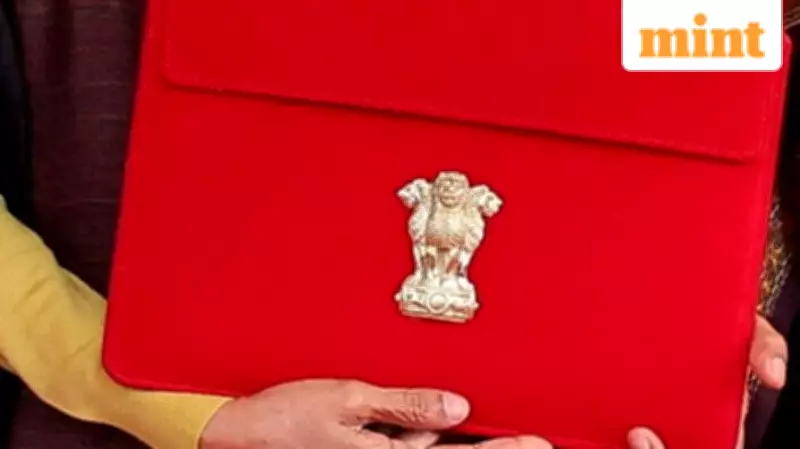
Maintaining the digital transformation initiated in 2021, Sitharaman presented Budget 2026 using a digital tablet carried in a distinctive red Bahi Khata-style pouch. This blend of traditional symbolism with modern technology has become a hallmark of her budget presentations.
The budget process officially commenced with the traditional Halwa Ceremony on January 27, followed by the unusual scheduling of special Sunday trading sessions on both the Bombay Stock Exchange and National Stock Exchange during Budget Day.
Previous Budget Saree Selections and Their Meanings
Sitharaman's previous budget attire choices reveal a pattern of thoughtful symbolism:
- 2025: A Madhubani saree from Bihar featuring fish motifs, aligning with policy attention toward Bihar ahead of state elections
- 2024: A combination of Mangalagiri cotton from Andhra Pradesh with Tussar silk from Bengal, subtly hinting at regional development priorities
- 2023: A red Ilkal saree from Karnataka with Kasuti embroidery, conveying strength and continuity during state election season
- 2022: A Bomkai saree from Odisha highlighting rural empowerment and artisan livelihoods
- 2021: A Pochampally Ikat saree from Telangana representing resilience during pandemic recovery
- 2020: Yellow silk symbolizing optimism and fresh beginnings
This consistent pattern demonstrates how Sitharaman uses traditional textiles to communicate subtle messages about economic priorities, regional focus, and national sentiment.
Broader Implications of Budget Day Traditions
The attention to Sitharaman's saree choices reflects growing public interest in the cultural dimensions of governance. As India's first full-time female finance minister, her fashion selections have become part of the national conversation around budget presentations.
Beyond the immediate discussion about whether her 2026 attire represents Ilkal or Kancheevaram traditions, the broader significance lies in how traditional Indian textiles are being showcased on one of the most important days in the nation's economic calendar.

The Budget 2026 presentation was live-streamed on the Union Budget Portal and official mobile app, ensuring nationwide access to both the economic announcements and the cultural symbolism embedded in the finance minister's traditional attire.