Uttar Pradesh Government Plans E-Commerce App to Deliver Fertilizers Directly to Farmers
The Uttar Pradesh government is actively considering a transformative initiative to eliminate the persistent problem of long queues at fertilizer shops across the state. According to official sources, the Department of Cooperatives has commenced development on a dedicated mobile application that will function as an e-commerce platform, enabling farmers to book fertilizers in advance and receive direct deliveries to their homes.
Digital Transformation to Replace Physical Queues
Cooperatives Commissioner Yogesh Kumar explained the core objective of this digital intervention. "The plan is to do away with physical queues to make way for electronic queues," he stated in an interview on Wednesday. "This will save farmers the pain of lining up at fertilizer shops and centers for long hours during critical agricultural seasons." Farmers utilizing the application will have the capability to track their order status online and choose between collecting their supplies from the nearest distribution center or opting for convenient home delivery services.
Payment Options and Operational Framework
The proposed application will offer flexible payment methods, including online transactions and cash-on-delivery options. However, officials indicated a strong preference for promoting digital payments to streamline operations. Promoting online payments reduces the logistical hassles associated with cash management, minimizes financial leakages and informal commissions, and helps prevent accounting irregularities, they emphasized.

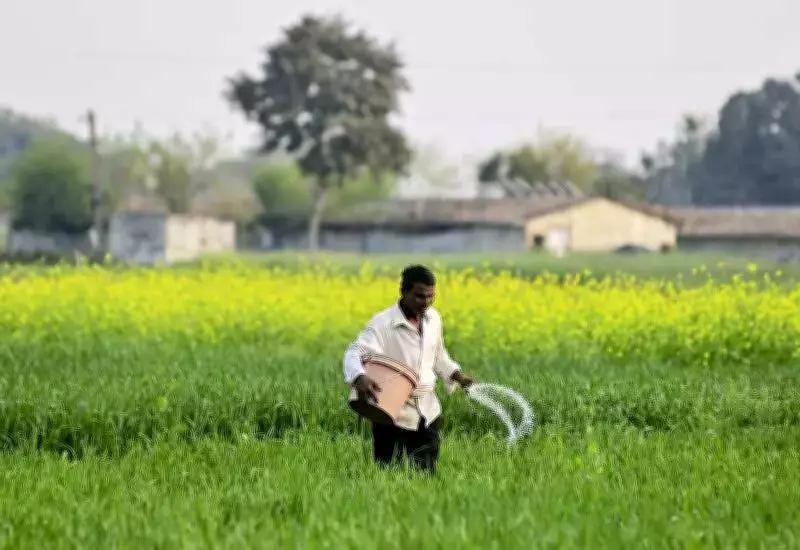
The distribution network will be anchored through the Primary Agricultural Credit Societies (PACS). Commissioner Kumar noted that, on average, each PACS would facilitate the process for 70 to 80 farmers. PACS are village-based cooperative credit institutions that provide essential services like agricultural credit, fertilizers, seeds, and marketing support to rural borrowers. In Uttar Pradesh, a total of 6,914 PACS are registered with the Department of Cooperatives, which currently channels approximately 40% of the state's total fertilizer requirement. The remaining 60% of demand is met by the Agriculture Department with assistance from various societies, UP Agro Centers, and private sector entities.
Addressing Systemic Challenges in Fertilizer Distribution
This innovative move comes at a crucial time when the fertilizer distribution system in Uttar Pradesh is grappling with significant challenges. These include seasonal shortages, allegations of diversion or black marketing, and the perennial issue of overcrowding at distribution points. The digitization of PACS operations represents a fresh attempt by the state government to modernize cooperative institutions, enhance their accountability, and establish fully traceable fertilizer supply chains.
PACS are considered particularly crucial for this initiative due to their established role as grassroots-level rural institutions. They maintain existing farmer databases, possess a trusted network within village communities, and have direct linkages to cooperative supply chains, making them ideal partners for implementing this digital solution.
Expected Benefits and Potential Impact
The introduction of electronic queues through the mobile application is expected to yield multiple benefits for farmers and the administration alike. During peak sowing seasons, it could save valuable time for farmers, reduce challenges related to crowd management at distribution centers, and minimize potential law and order risks during periods of fertilizer scarcity.
On the supply side, digital tracking capabilities could help prevent hoarding, enable real-time monitoring of stock levels, and ensure more equitable distribution of fertilizers across the state. However, sources acknowledged that the state government will still need to address issues with private dealers, who are often accused of "tagging"—a practice where farmers are compelled to purchase unnecessary products like nano urea, zinc, or pesticides alongside their subsidized fertilizer bags.

This comprehensive digital initiative marks a significant step toward modernizing agricultural inputs distribution in Uttar Pradesh, aiming to create a more efficient, transparent, and farmer-friendly system for one of India's most crucial agricultural states.