UP Cabinet Greenlights Cashless Medical Treatment for 15 Lakh Educators
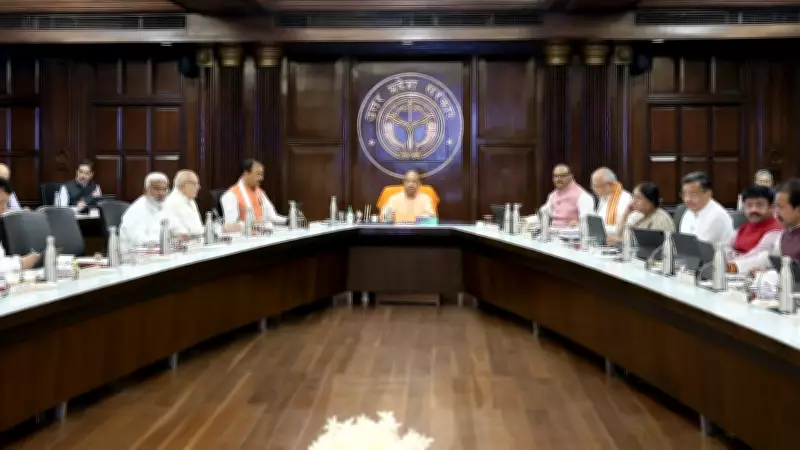
In a significant welfare move, the Uttar Pradesh Cabinet has formally approved a comprehensive cashless medical treatment scheme benefiting approximately 15 lakh teachers, non-teaching staff, and their dependent family members associated with the state's Basic and Secondary Education Departments. The decision, taken during a Cabinet meeting chaired by Chief Minister Yogi Adityanath, marks a major step toward enhancing healthcare accessibility for the education community.
Financial Framework and Implementation
The total estimated financial outlay for this ambitious initiative stands at approximately Rs 448 crore. Finance and Parliamentary Affairs Minister Suresh Kumar Khanna confirmed that the scheme, originally announced by the Chief Minister on Teachers' Day in 2025, has now received formal Cabinet approval. This initiative is designed to operate on lines similar to the Ayushman Bharat scheme, providing cashless in-patient treatment at both government hospitals and empanelled private healthcare facilities.
Detailed Eligibility Criteria
The scheme encompasses a wide range of educational professionals across multiple categories:

- Secondary Education Department Beneficiaries: This category includes teachers working in aided institutions under the Secondary Education Department, vocational education subject experts, honorary teachers, educators from aided institutions recognized by the Sanskrit Education Council, and teachers from self-financed institutions recognized by both the Secondary Education Council and Sanskrit Education Council. Additionally, vocational education subject experts working on an honorarium basis in government and aided schools are covered. Dependent family members of all these individuals are also eligible.
- Basic Education Council Beneficiaries: This broader category covers teachers, Shiksha Mitras, special educators, and instructors working in schools run or recognized by the Basic Education Council, including both aided and self-financed institutions. It also includes wardens and full-time or part-time teachers of Kasturba Gandhi Balika Vidyalayas, along with cooks engaged under the Pradhan Mantri Poshan Yojana. Their dependents are similarly eligible for benefits.
Financial Breakdown and Premium Structure
Secondary Education Minister Gulab Devi revealed that more than 2.97 lakh beneficiaries fall under the Secondary Education Department category, with an estimated annual expenditure of Rs 89.25 crore. Basic Education Minister Sandeep Singh stated that over 11.95 lakh teachers and staff associated with the Basic Education Council would benefit from the scheme, with an annual expenditure estimated at Rs 358.61 crore. The average annual premium per employee in this category is approximately Rs 3,000.
Treatment Facilities and Administrative Mechanism
Officials confirmed that the cashless treatment facility will be available at government hospitals and private hospitals empanelled under the State Agency for Comprehensive Health and Integrated Services (SACHIS). Treatment rates will align with the Pradhan Mantri Jan Arogya Yojana and norms prescribed by the National Health Authority. For teachers working in self-financed, recognized institutions, benefits will be extended after due verification through district-level committees constituted under the chairmanship of the District Inspector of Schools and the Basic Education Officer.
Exclusion Criteria and Additional Cabinet Decisions
The government has clarified that employees and dependents already covered under any other central or state government health scheme, including the Pradhan Mantri Jan Arogya Yojana or the Chief Minister Jan Arogya Abhiyan, will not be eligible for this new initiative. Minister Khanna noted that among 32 proposals placed before the Cabinet, 30 were approved. During the meeting, discussions also touched upon the potential establishment of a Metropolitan Corporation for Noida, aimed at ensuring greater transparency, enhanced citizen participation, and improved urban services for residents of this key National Capital Region city.