

Varanasi Emerges as Key Beneficiary in Union Budget 2026-27 with Major Infrastructure Push
Presented by Union Finance Minister Nirmala Sitharaman on Sunday, the Budget for 2026-27 has unveiled several transformative announcements aimed at bolstering infrastructure, connectivity, urban development, and tourism in the historic Varanasi region. As a pivotal temple town and cultural epicenter, Varanasi stands to gain substantially from the government's enhanced focus on Tier II and III cities, positioning it as a critical 'growth connector' in India's economic landscape.
High-Speed Rail Corridors to Revolutionize Connectivity
Among the seven new high-speed rail corridors proposed in the Union Budget to promote environmentally sustainable passenger transport, Varanasi features prominently in two strategic routes: the Delhi-Varanasi and Varanasi–Siliguri corridors. These initiatives are designed to extend seamless connectivity to the eastern and north-eastern regions, significantly reducing travel time while boosting tourism, pilgrimage, business activities, and regional economic growth.
The implementation of high-speed rail is expected to diminish reliance on road transport for inter-city travel, thereby alleviating pressure on local roads and highways around Varanasi. Beyond enhancing passenger movement, this sustainable approach will contribute to lower overall emissions and pollution in the connected regions, aligning with broader environmental goals. Improved external connectivity will further support Varanasi's tourism sector, pilgrimage influx, business opportunities, and its Smart City objectives.

Ship Repair Ecosystem to Boost Inland Waterways
To strengthen inland waterways and promote sustainable cargo movement, the Budget outlines plans to establish a ship repair ecosystem catering specifically to inland waterways in Varanasi and Patna. This development will support river navigation along the Ganga, fostering local employment and generating related economic opportunities in the region. By enhancing river-based transport infrastructure, this initiative aims to revitalize Varanasi's role as a hub for eco-friendly logistics and trade.
City Economic Regions (CERs) for Modern Infrastructure
With a renewed emphasis on Tier II and III cities and temple towns, this Budget highlights the development of City Economic Regions (CERs). An allocation of Rs 5,000 crore per CER over five years has been earmarked, prioritizing cities like Varanasi for modern infrastructure, amenities, and agglomeration-based growth. This funding is poised to transform Varanasi into a more vibrant economic zone, equipped with state-of-the-art facilities that cater to both residents and visitors.
Tourism and Heritage Development Initiatives
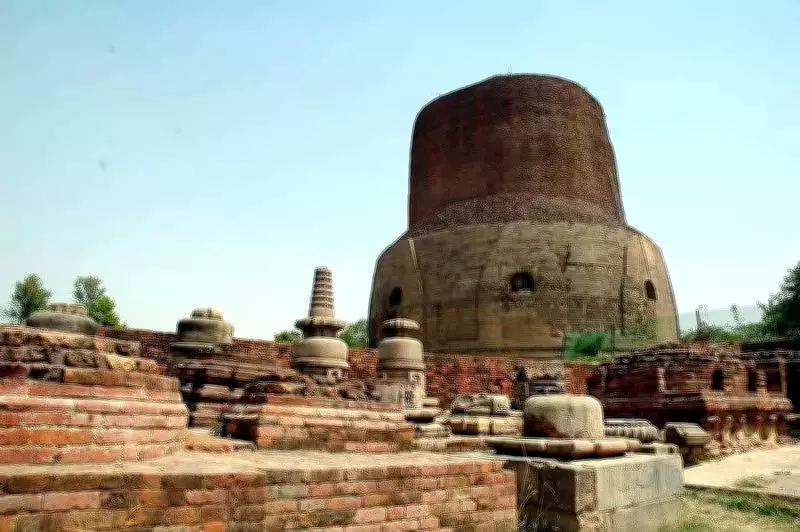
For tourism and heritage promotion, the Budget includes broader initiatives focused on developing archaeological and heritage sites, such as Sarnath in Varanasi. As a major spiritual and heritage destination, Varanasi is set to benefit indirectly from the overall emphasis on tourism and sustainable transport. Although no highly specific allocations were made solely for Varanasi in the Budget speech highlights, its cultural significance and strategic location ensure it remains a key beneficiary of the proposed connectivity expansions.
Additional Provisions Enhancing Local Growth
The district is also likely to gain from several other provisions outlined in the Budget, including:
- A Rs 10,000 crore MSME growth fund to support small and medium enterprises.
- The Mahatma Gandhi Gram Swaraj initiative aimed at strengthening khadi and handloom sectors.
- Mega textile parks to boost the local textile industry.
- Announcements to construct women's hostels for promoting education and women empowerment.
In summary, the Union Budget 2026-27 strategically positions Varanasi as a focal point for infrastructure and economic development, leveraging its unique cultural and geographical assets to drive regional progress and national connectivity.






