

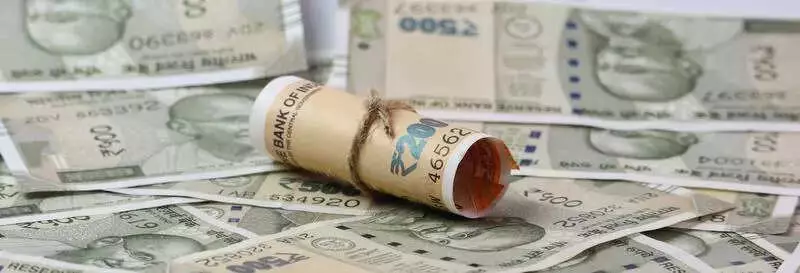
Delhi Police has initiated a major investigation after multiple banks in the capital reported a significant influx of counterfeit currency. Cases were officially registered on December 31 last year, following complaints from 18 different banks that had collectively detected nearly 11,000 fake notes with a total face value of approximately Rs 34 lakh.
Scale of the Counterfeit Operation
The fake notes were recovered by the banks during the period from January 1 to June 30. The scale of the operation became clear as individual bank reports were compiled. One prominent private sector bank alone identified over 4,000 counterfeit currency notes, amounting to around Rs 16 lakh. A separate financial institution reported discovering 3,274 fake notes valued at nearly Rs 5.9 lakh, while another bank flagged 782 counterfeit notes worth Rs 2.9 lakh.
This widespread detection across numerous banking channels underscores the persistent challenge of fake currency circulation in the financial system. All the seized notes have been sent to a forensic laboratory for detailed analysis to determine their origin and printing methods.

Detection and Investigation Challenges
The discovery was made during routine verification processes mandated by the Reserve Bank of India (RBI). According to RBI guidelines, every bank is required to report counterfeit notes to the police twice a year. Officials detected the fakes by examining key security features, where they noticed discrepancies in paper quality, security strips, and watermarks.
A senior police officer explained the sophisticated method used by the perpetrators. The counterfeit notes were carefully mixed with original currency notes before being deposited, making detection extremely difficult for both individuals and bank tellers. This deliberate mixing also created a major hurdle for investigators, as tracing the fake notes back to their original source became a complex challenge.
Legal Action and Investigative Hurdles
Police have registered cases under Section 180 of the Bharatiya Nyaya Sanhita (BNS), which deals with the possession of forged or counterfeit government stamps, currency notes, or bank-notes. During the probe, individuals who deposited the fake notes were questioned. However, most claimed they were unaware of how the counterfeit currency came into their possession, and police investigations often corroborated these statements.
This lack of a direct, traceable link to the core network of counterfeiters has complicated efforts to dismantle the entire operation. In many instances, investigators could not establish a clear connection to the main syndicate, suggesting a layered and cautious distribution network designed to protect its leaders.
The case highlights the ongoing battle against financial fraud and the continuous need for public vigilance and enhanced banking security protocols to identify and stop the flow of fake Indian currency notes.






