

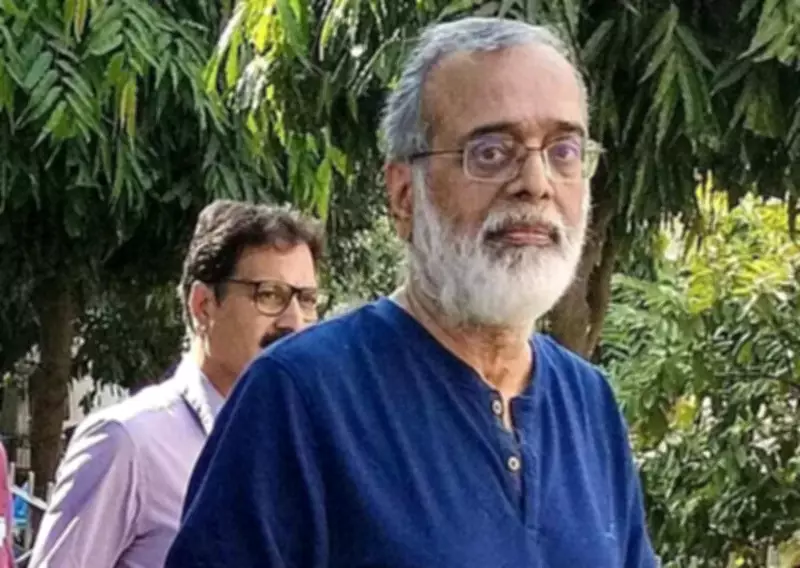
Prabir Purkayastha, a prominent journalist and editor of the news portal Newsclick, spent 225 days in judicial custody before the Delhi High Court quashed the case against him. The case, filed under the Unlawful Activities (Prevention) Act (UAPA), was criticized as an attack on press freedom. The court's decision has reignited debates about the misuse of stringent laws and the need for compensation for wrongful incarceration.
The Case and Its Aftermath
Purkayastha was arrested in October 2023 along with several others in connection with a case alleging that Newsclick was funded by pro-China elements. The Delhi Police claimed that the portal was involved in a conspiracy to spread propaganda. However, the High Court found no credible evidence to support these allegations. In its order, the court noted that the case was based on 'conjectures and surmises' and that the arrest was 'unwarranted.'
Impact on Press Freedom
The case drew widespread condemnation from journalists and human rights organizations, who saw it as part of a broader crackdown on independent media in India. The Editors Guild of India and other bodies had called for Purkayastha's release, arguing that the charges were baseless. The quashing of the case is seen as a victory for press freedom, but it also highlights the vulnerabilities faced by journalists in the country.

Compensation and Justice
With the case quashed, attention has turned to the question of compensation for Purkayastha's 225 days in jail. Legal experts argue that under Indian law, victims of wrongful arrest are entitled to compensation. However, the process is often lengthy and uncertain. Purkayastha has indicated that he will pursue legal remedies for the injustice he suffered. The case also raises broader questions about the accountability of law enforcement agencies and the need for reforms to prevent such incidents.
Broader Implications
The Purkayastha case is not an isolated incident. Several journalists and activists have faced similar charges under UAPA, which has been criticized for its stringent bail conditions and potential for misuse. The Supreme Court has previously called for safeguards to prevent the misuse of the act. The quashing of this case may set a precedent for other cases where the law has been used to target dissenting voices.
In conclusion, while the quashing of the case brings relief to Purkayastha and his family, it also underscores the need for systemic changes to ensure that such injustices are not repeated. The question of what India owes to those wrongfully imprisoned remains unanswered, but the case has undoubtedly sparked a crucial conversation about justice, accountability, and the protection of fundamental rights.






