Federal Authorities Expand Charges in Minnesota Church Takeover Case
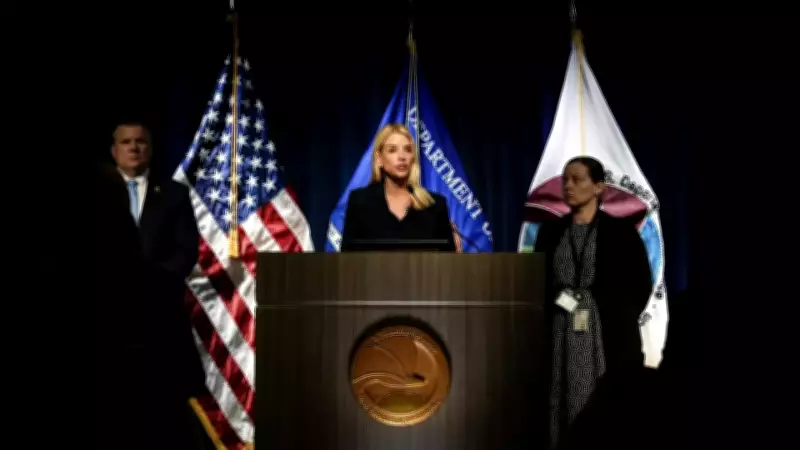
The Trump administration has significantly escalated its legal response to a controversial protest incident in Minnesota, charging 30 additional individuals for their alleged involvement in storming a church during an anti-Immigration and Customs Enforcement demonstration last month. Attorney General Pam Bondi announced the expanded charges on Friday, marking a substantial increase in the scope of the federal investigation.
"You Cannot Hide From Us" - Attorney General's Stern Warning
In a strongly worded statement posted on social media platform X, Attorney General Pam Bondi delivered an unequivocal message to those who would target religious institutions. "YOU CANNOT ATTACK A HOUSE OF WORSHIP. If you do so, you cannot hide from us — we will find you, arrest you, and prosecute you," Bondi declared, emphasizing the administration's zero-tolerance approach to such incidents.
Bondi revealed that federal agents had already taken 25 of the newly charged individuals into custody, with more arrests expected throughout the day. "At my direction, federal agents have already arrested 25 of them, with more to come throughout the day," she confirmed in her public announcement.

Growing List of Defendants Includes Prominent Figures
These latest charges bring the total number of people facing prosecution for the January 18 incident at Cities Church in St. Paul, Minnesota, to at least 39 individuals. Among those previously arrested was former CNN anchor Don Lemon, who has maintained his innocence by claiming he was merely reporting on the demonstration as a journalist and cannot be held criminally responsible for the events that unfolded.
The protest erupted when demonstrators discovered that one of the church's pastors shared a name with an Immigration and Customs Enforcement official, though The Post has not been able to independently verify whether the St. Paul ICE director and the pastor were actually the same person.
Court Documents Describe "Coordinated Takeover-Style Attack"
According to federal indictment papers, the protesters executed what authorities describe as a "coordinated takeover-style attack" on the church, entering the building and disrupting services while intimidating and obstructing worshippers. The court documents paint a particularly disturbing picture of the emotional impact on children present during the incident.
"Young children were left to wonder, as one child put it, if their parents were going to die," the indictment states, highlighting the traumatic experience for families attending the service.
Legal Response and Constitutional Considerations
Cities Church lawyer Doug Wardlow welcomed the expanded arrests, issuing a statement that clarified the constitutional boundaries of protest rights. "The First Amendment does not give anyone — regardless of profession, prominence, or politics — license to storm a church and intimidate, threaten, and terrorize families and children worshipping inside," Wardlow asserted, drawing a clear distinction between protected speech and criminal behavior.
Broader Context of Immigration Tensions in Minnesota
The church incident occurred against a backdrop of heightened tensions in Minnesota regarding immigration enforcement. The state has seen increased presence of immigration officers as part of Trump's Operation Metro Surge, and the situation has been further inflamed by several high-profile incidents:
- The January 7 fatal shooting of Renee Good in Minneapolis by ICE agent Jonathan Ross
- The killing of Alex Pretti by a federal officer in Minneapolis just one week after the church storming
- Ongoing debates about immigration enforcement practices and their impact on communities
These developments have created a volatile environment in the North Star State, with the church incident representing a particularly dramatic flashpoint in the broader national conversation about immigration policy, protest rights, and religious freedom.