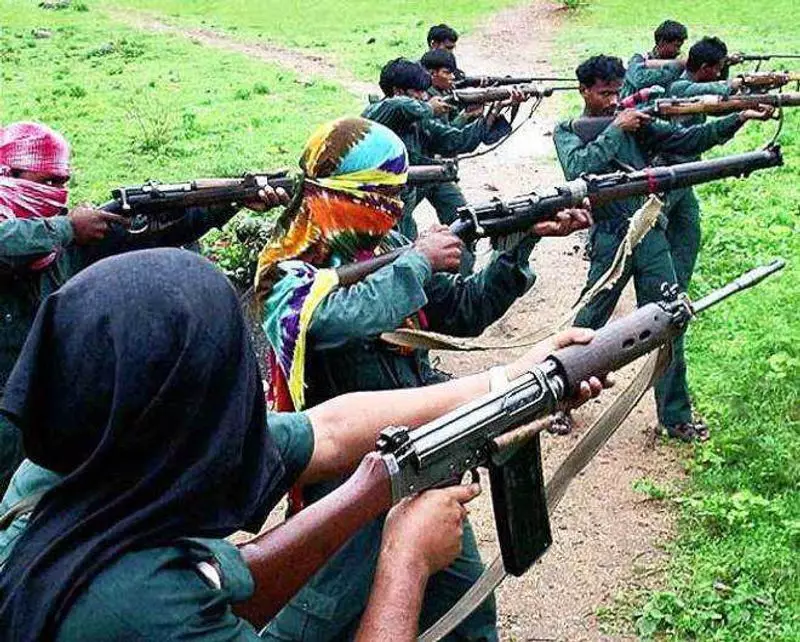
In a significant development for security forces in Chhattisgarh, thirty-seven Naxalites have voluntarily surrendered to authorities in Dantewada district. The mass surrender, which occurred on Tuesday, represents one of the most substantial blows to Maoist operations in the region this year.
Details of the Surrendered Cadres
Among those who surrendered were twenty-seven individuals who carried collective bounties worth sixty-five lakh rupees on their heads, indicating their important positions within the Maoist hierarchy. The group included both male and female cadres who had been active in various capacities within the outlawed organization.
The surrendered Naxalites belonged to different ranks and positions within the Maoist structure. Some had served as members of the dangerous Military Company No. 2 of Maoists, while others held positions in local guerrilla squads and lower-rung organizational roles. Their combined experience represented years of Maoist activity in the region.

Police Strategy Behind the Surrender
According to Dantewada Superintendent of Police Gaurav Rai, the successful surrender operation was the result of a carefully implemented strategy called Puna Narkom (a term meaning new dawn in local Gondi language). This innovative approach focuses on confidence-building measures and rehabilitation assurances.
The police had been working consistently to establish communication channels with the Naxalites, emphasizing the government's surrender and rehabilitation policy. This operation demonstrates the effectiveness of combining security pressure with persuasive outreach programs, noted SP Rai during a press conference following the surrenders.
Impact on Maoist Operations in Bastar
The mass surrender deals a substantial blow to Naxal operations in the Bastar region, particularly affecting the Maoist strength in the Dantewada and South Bastar areas. The loss of thirty-seven cadres, including experienced members with bounties, will significantly impact the group's operational capabilities.
Security analysts suggest that such surrenders not only reduce Maoist fighting strength but also provide valuable intelligence about their current operations, hideouts, and future plans. The information obtained from surrendered cadres often leads to further successful operations against the remaining Maoist network.
This development comes as part of ongoing efforts by security forces to counter Left Wing Extremism in the region through a combination of tactical operations and surrender policies aimed at encouraging Naxalites to return to the mainstream.