

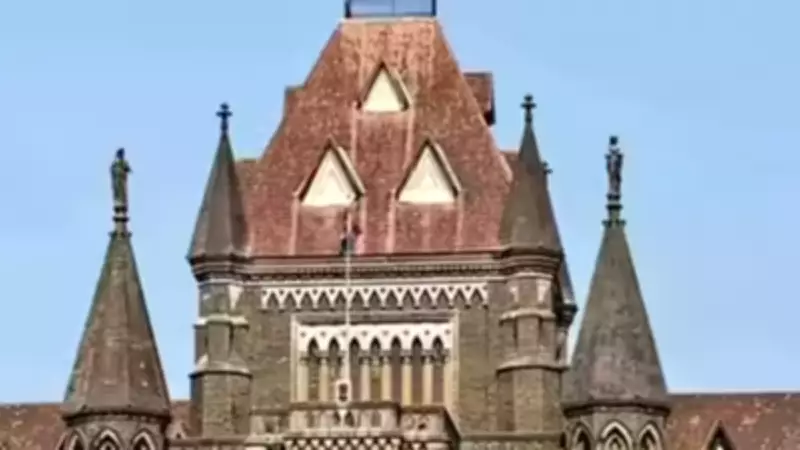
Bombay High Court Concludes 76-Year Family Property Dispute Over Pune Land
A monumental family property dispute that began before the Bombay High Court just two weeks after India's Constitution came into force has finally reached its conclusion after an astonishing 76 years. On February 27, the court issued a definitive order for the partition of the remaining one acre (4,271 square meters) of land located in Yerawada, Pune, among the legal heirs of the original landowner, MMH Janmohamed.
Decades-Long Legal Battle Over Valuable Properties
The judgment, which became available on March 11, was delivered by Justice Farhan Dubash, bringing closure to a complex and protracted legal conflict between two sets of heirs. The dispute traces its origins back to February 8, 1950, when Ebrahim Chotani and other heirs initiated legal proceedings against Osman Chotani, another heir, seeking partition and their rightful shares in the valuable properties left behind by Janmohamed.
These properties included two large and significant plots, one of which was situated on the prominent Deccan College Road. In March 1950, the High Court took decisive action by appointing a court receiver to manage the disputed properties. The court permitted the sale of these assets and, later that same month, directed a preliminary partition to begin the process of resolution.

Government Acquisition and Compensation Distribution
The legal landscape shifted when the Maharashtra government acquired the Deccan College Road plot for public purposes. The compensation from this acquisition was eventually distributed among the heirs in 1979, resolving one aspect of the dispute. However, what remained under contention was a substantial 16-acre plot in Yerawada, which continued to be the focal point of legal wrangling for decades.
Complications from Manager's Heirs and Ownership Claims
The case grew increasingly complicated when the heirs of a manager appointed by the landowner during his lifetime stepped forward to assert rights over the property. They claimed that the land had been given to the manager in lieu of outstanding debts, and they demanded half of the property based on a written note dated June 1946 from Osman Chotani, as noted by the court in its proceedings.
Adding another layer of complexity, another individual came forward claiming ownership of the land through adverse possession, arguing that they had occupied and used the property for an extended period without objection from the legal owners.
Legal Maneuvers and Compromise Settlements
In 1952, the court receiver filed a separate suit in a Pune civil court seeking possession of the disputed land. The following year, in June 1953, the manager's heirs agreed to a significant compromise: they relinquished their broader claim to the property in exchange for a one-fourth share of the 16-acre plot, formally acknowledging that the property rightfully belonged to the Chotani family.
A formal compromise settlement was reached in 1955, which should have brought the matter to a close. However, despite this agreement, the land remained unpartitioned for another three decades, with legal and procedural hurdles preventing the final resolution that all parties had anticipated.
Final Resolution After Generations of Litigation
The recent judgment by Justice Farhan Dubash represents the culmination of generations of litigation, with the court finally ordering the partition of the remaining one acre of land among the rightful heirs. This decision not only resolves a specific family dispute but also serves as a remarkable example of the endurance of legal processes in India's judicial system.
The 76-year timeline of this case spans nearly the entire history of independent India's legal framework, beginning just weeks after the Constitution of India came into effect on January 26, 1950. The resolution highlights both the complexities of property inheritance disputes and the persistence required to navigate India's legal system through multiple generations of claimants.






