Delhi Court Grants Bail to All 12 Accused in Turkman Gate Violence Case
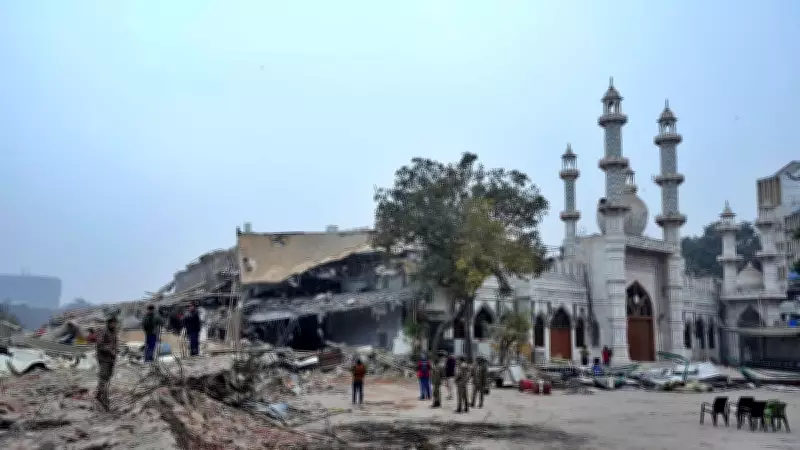
A Delhi court has granted bail to all 12 individuals accused in the Turkman Gate violence case, a decision based on the lack of clear identification in available video footage. This ruling comes after a thorough review of evidence related to the violent incident that occurred during an anti-encroachment operation near a mosque in the Ramlila Maidan area.
Details of the Court's Decision
The court emphasized that the video footage presented by the prosecution failed to conclusively identify the accused, leading to the bail grant. This highlights the critical role of evidence in legal proceedings and underscores the challenges in prosecuting cases based on visual materials.
The violence erupted on the intervening night of January 6-7, 2026, during an anti-encroachment drive conducted by authorities. The operation aimed to clear illegal structures but sparked clashes near the mosque, resulting in injuries and property damage.
Background of the Incident
The Turkman Gate violence case centers on the events that unfolded in the Ramlila Maidan area of Delhi. The anti-encroachment drive, part of broader urban cleanup efforts, led to tensions and subsequent violence. Key aspects include:
- The timing of the incident during late-night hours.
- The location near a religious site, adding sensitivity to the situation.
- Allegations of excessive force and property destruction during the clashes.
Legal experts note that such cases often involve complex evidentiary issues, particularly when relying on surveillance or bystander footage. The court's decision to grant bail reflects a cautious approach, ensuring that individuals are not detained without solid proof of involvement.
Implications and Future Proceedings
With bail granted, the accused are now released pending further investigation and trial. The prosecution may appeal the decision or seek additional evidence to strengthen their case. This development could influence similar cases involving public disturbances and encroachment drives across India.
Authorities continue to monitor the situation, emphasizing the need for peaceful resolution in urban development conflicts. The case remains active, with ongoing legal processes expected to address the underlying issues of law enforcement and community relations.
Note: This report is based on information available as of February 17, 2026, and may be updated as new details emerge.