

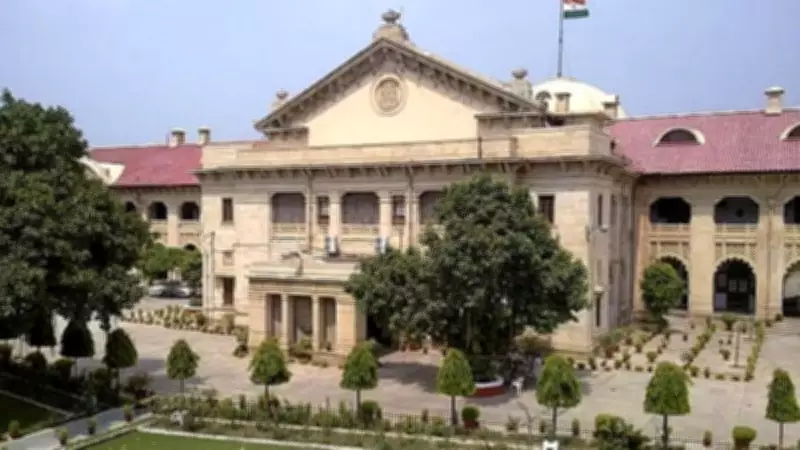
Allahabad High Court Extends Interim Stay on CJM Order for FIR Against Sambhal Police
The Allahabad High Court has issued a significant ruling, extending the interim stay on an order by the Chief Judicial Magistrate (CJM) that directed the lodging of a First Information Report (FIR) against police officers from Sambhal. This development comes amid ongoing legal scrutiny over allegations of misconduct involving the police force in Uttar Pradesh.
Background of the Case and CJM's Initial Order
The case originated from an incident where Sambhal police officers were accused of firing upon an individual, leading to a judicial review. The CJM, in a detailed order, referenced several Supreme Court rulings to assert that such actions cannot be considered part of official duties. Specifically, the CJM emphasized that firing upon a person, under certain circumstances, falls outside the scope of lawful police conduct, thereby warranting criminal proceedings.
This order had initially mandated the registration of an FIR against the involved officers, sparking debates on police accountability and the limits of official immunity. The CJM's decision was based on precedents set by the Supreme Court, which have clarified that not all actions by public servants are protected under the guise of duty, especially when they involve excessive force or violations of human rights.

High Court's Intervention and Legal Implications
In response to the CJM's directive, the Allahabad High Court stepped in by granting an interim stay, which has now been extended. The High Court's move aims to provide a thorough legal examination of the case before any FIR is lodged, ensuring that due process is followed and that the rights of all parties are safeguarded.
Legal experts note that this extension highlights the judiciary's cautious approach in balancing police powers with individual rights. By referencing Supreme Court rulings, the High Court is likely to delve into nuanced interpretations of what constitutes "discharge of official duties" and when such actions cross into criminal territory. This case could set important precedents for future incidents involving law enforcement agencies across India.
Reactions and Broader Context
The decision has elicited mixed reactions from various stakeholders. Advocates for police reform argue that the CJM's order was a step towards greater accountability, while police associations express concern over potential misuse of legal mechanisms against officers performing their duties. The extension of the stay allows for further deliberation, potentially leading to a more informed final judgment.
This incident is part of a larger discourse on police conduct in Uttar Pradesh, where similar cases have surfaced in recent years. The outcome of this legal battle could influence how similar allegations are handled in the future, impacting both police operations and public trust in the justice system.
As the case progresses, all eyes are on the Allahabad High Court for its final ruling, which is expected to provide clarity on the intersection of official duties and criminal liability in law enforcement scenarios.






