Allahabad High Court Criticizes Uttar Pradesh Police for Judicial Pressure
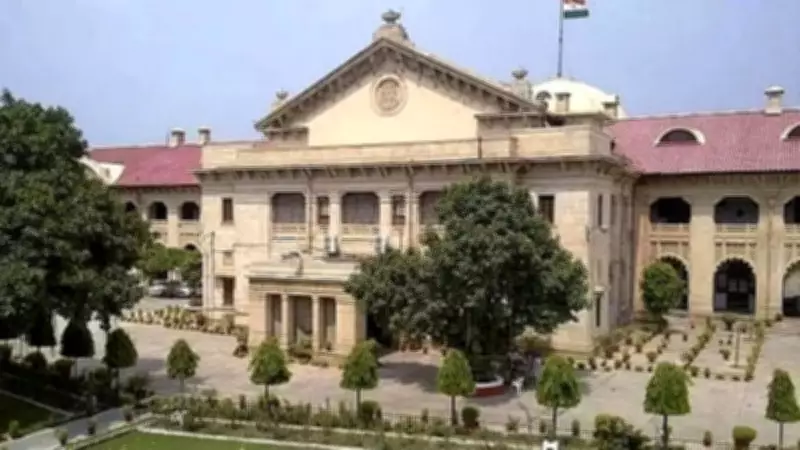
In a significant development, the Allahabad High Court has raised serious concerns about the conduct of Uttar Pradesh police officers, accusing them of pressuring judges to issue specific orders in cases. This revelation came during a hearing where Justice Deshwal expressed dismay over the state of affairs in the judicial system.
Justice Deshwal's Stern Observations
Justice Deshwal highlighted that the law is not being followed in every district of Uttar Pradesh. He made a startling admission, stating that he did not find even a single case where the law or the directives of the Supreme Court were being adhered to properly. This points to a systemic failure in the implementation of legal protocols across the state.
Implications for Judicial Independence
The allegations of police officers pressuring judges for specific orders raise critical questions about judicial independence in Uttar Pradesh. Such interference can undermine the fairness of legal proceedings and erode public trust in the judiciary. The High Court's remarks serve as a wake-up call for authorities to ensure that the judicial process remains free from external influences.

Broader Context of Non-Compliance
Justice Deshwal's comments extend beyond isolated incidents, suggesting a widespread pattern of non-compliance with legal standards. This includes:
- Failure to follow established laws in police investigations.
- Ignoring Supreme Court directives meant to safeguard rights.
- Lack of accountability in enforcing judicial orders.
These issues highlight the need for urgent reforms to restore integrity in the state's legal framework.
Call for Action and Reform
The Allahabad High Court's stance underscores the necessity for immediate corrective measures. It calls upon the Uttar Pradesh government and police department to:
- Investigate instances of judicial pressure thoroughly.
- Implement stricter oversight to prevent such interference.
- Ensure compliance with Supreme Court guidelines in all districts.
This development is crucial for upholding the rule of law and protecting the sanctity of the judiciary in India.