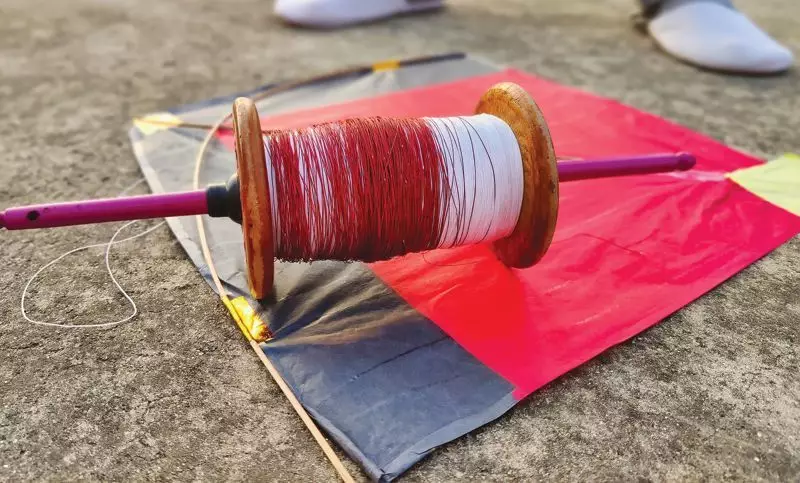
Residents of Amritsar are raising their voices in anger and frustration as the illegal sale of the deadly Chinese manja, or kite string, continues unabated in local markets. This is happening despite a clear ban imposed by the National Green Tribunal (NGT).
Open Sale Defies Court Orders
The situation on the ground is alarming. Shopkeepers in prominent areas like Hall Bazaar and Katra Jaimal Singh are reportedly still stocking and selling the banned Chinese manja. This type of kite string is coated with glass powder or metal, making it razor-sharp. The NGT banned its manufacture, sale, and use across India in 2017 due to its lethal nature. However, enforcement in Amritsar appears weak, allowing traders to operate with impunity.
Local citizens and activists have observed these sales firsthand. They report that the dangerous thread is often sold under the counter or in plain sight, with little fear of legal consequences. The material is not only a threat during kite-flying festivals but poses a year-round hazard to birds, animals, and people, especially two-wheeler riders.
A Deadly Threat to Life and Wildlife
The consequences of using Chinese manja are severe and often fatal. Numerous deaths and critical injuries are reported every year across the country when the nearly invisible string slices across the throats of unsuspecting motorists. Birds suffer horrific injuries, often losing wings or being trapped and dying from their wounds.
In Amritsar, the concern is particularly high given the city's density and traffic. Residents fear that without immediate and strict action, a tragic accident is inevitable. They argue that the continued availability of the banned string makes a mockery of the law and puts every citizen at risk.
Citizens Demand Concrete Action
The protesting residents are not just highlighting the problem; they are demanding specific solutions. Their primary call is for the Amritsar Municipal Corporation and local police to conduct rigorous, surprise raids on shops known to sell the material. They want existing stocks to be seized and the offenders to be punished under the relevant laws.
Furthermore, there is a demand for a sustained public awareness campaign to educate people about the dangers of Chinese manja and to promote the use of safe, cotton-based alternatives. The community believes that a combination of strict enforcement and public education is the only way to eradicate this menace.
The ball is now in the court of the local authorities. The residents of Amritsar have sounded the alarm. It remains to be seen whether their demands will translate into decisive action that protects human and animal life, or if the dangerous sale of Chinese manja will continue to haunt the city's streets.