Andhra Pradesh High Court Intervenes in YSRCP Leader's Arrest Case
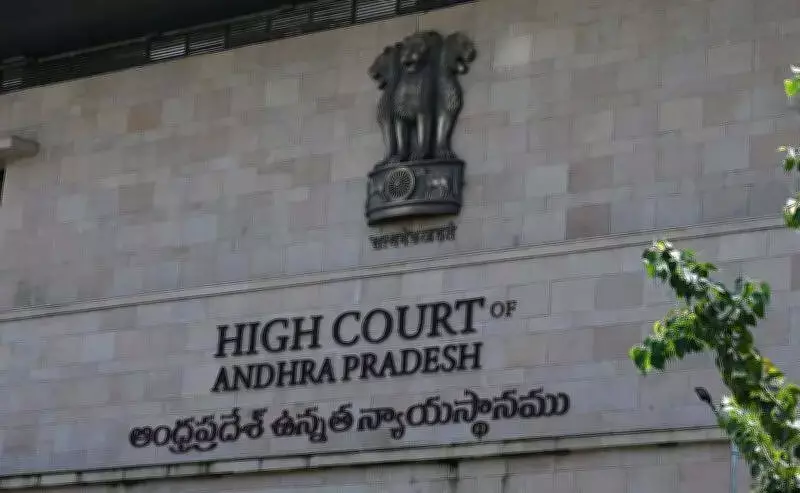
The Andhra Pradesh High Court on Friday took significant action by suspending a trial court order that had rejected police remand for YSRCP general secretary Pudi Srihari and party member G Girish Kumar Reddy. This development came after Kuppam Urban Police challenged the lower court's decision in a case involving objectionable social media posts targeting Chief Minister N Chandrababu Naidu.
Police Challenge Lower Court's Remand Rejection
The Kuppam Urban Police approached the high court contesting the remand rejection orders issued by the Kuppam court. The case against Srihari and Girish centers on alleged objectionable posts made on social media platforms featuring morphed photographs of Chief Minister Naidu. The high court heard this petition as a lunch motion, indicating its urgency.
Advocate General Dammalapati Srinivas, representing the police, presented detailed arguments before the court. He stated that police had attempted to serve notices under Section 35(3) of the BNSS Act, but the accused persons had declined to accept them. The advocate general emphasized that while the police had clearly mentioned the reasons for arrest in their remand report, the trial court had rejected the remand application in what he described as a "mechanical manner."

Legal Arguments and Police Justification
Srinivas presented several key points in his argument:
- The trial court had rejected remand primarily on the grounds that all alleged offenses carried punishments of less than seven years
- The high court had previously ruled that police could arrest accused persons even in cases involving punishments below seven years if they failed to cooperate with investigations
- Police had conducted a preliminary inquiry before arresting Srihari
- The language used in the social media posts went beyond political criticism and appeared designed to stoke regional tensions
- Srihari maintained 14 different email IDs and was active across multiple social media platforms
High Court's Interim Direction and Defense Objections
After considering the advocate general's submissions, the high court suspended the trial court order. However, the proceedings took an interesting turn when Srihari's counsel, Ponnavolu Sudhakar Reddy, rushed to the court to raise objections. Reddy argued that an ex parte order could not be granted in this case and sought protection from arrest until further hearings could be conducted.
The high court clarified that its decision represented only an interim direction suspending the trial court order and did not constitute setting aside the original ruling. This distinction maintains the legal status quo while allowing for further examination of the case.
Parallel Proceedings Regarding Arrest Procedures
In separate proceedings before Justice Ravinath Tilhari and Justice Medamalli Balaji, additional concerns about police procedures emerged. Counsel representing Srihari's driver argued that police had failed to follow proper procedures during the arrest. The high court bench observed prima facie evidence suggesting that police were not adhering to established norms.
The bench made a significant observation that arrested persons were only being produced before the court after habeas corpus petitions had been filed. This raised questions about procedural compliance in cases involving personal liberty. The high court emphasized that police must strictly follow established procedures, particularly when dealing with matters affecting individual freedom, and directed the police to file a counter affidavit addressing these concerns.
This case highlights the ongoing tension between law enforcement procedures and judicial oversight in politically sensitive matters. The high court's intervention demonstrates the judiciary's role in ensuring proper legal processes are followed while balancing the needs of investigation with protection of individual rights. The suspension of the trial court order represents a temporary resolution as the legal battle continues to unfold through proper judicial channels.